
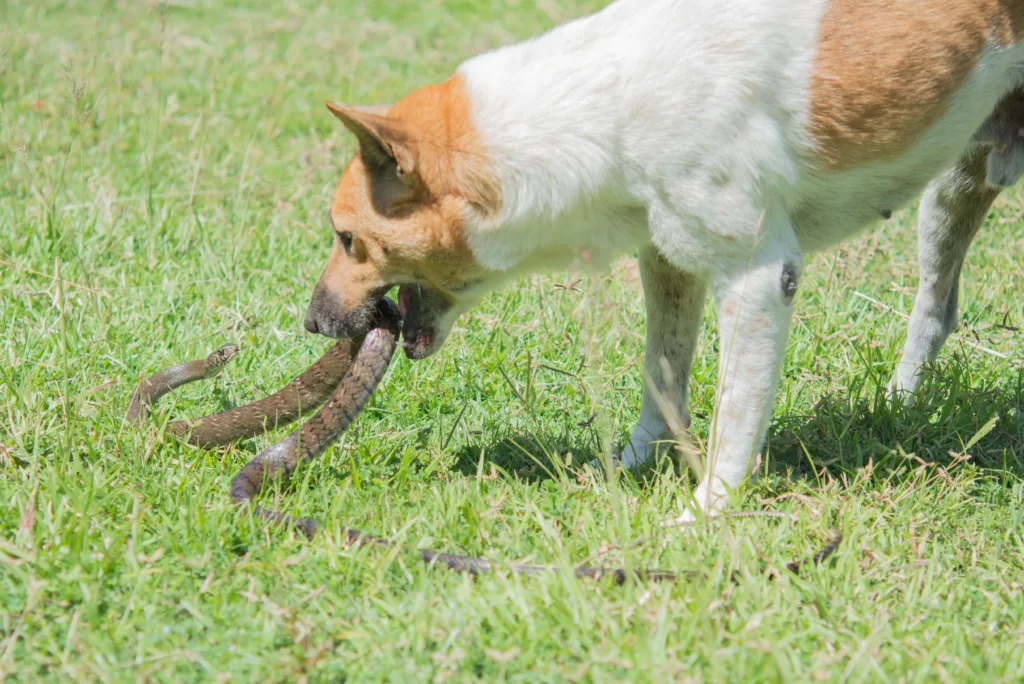
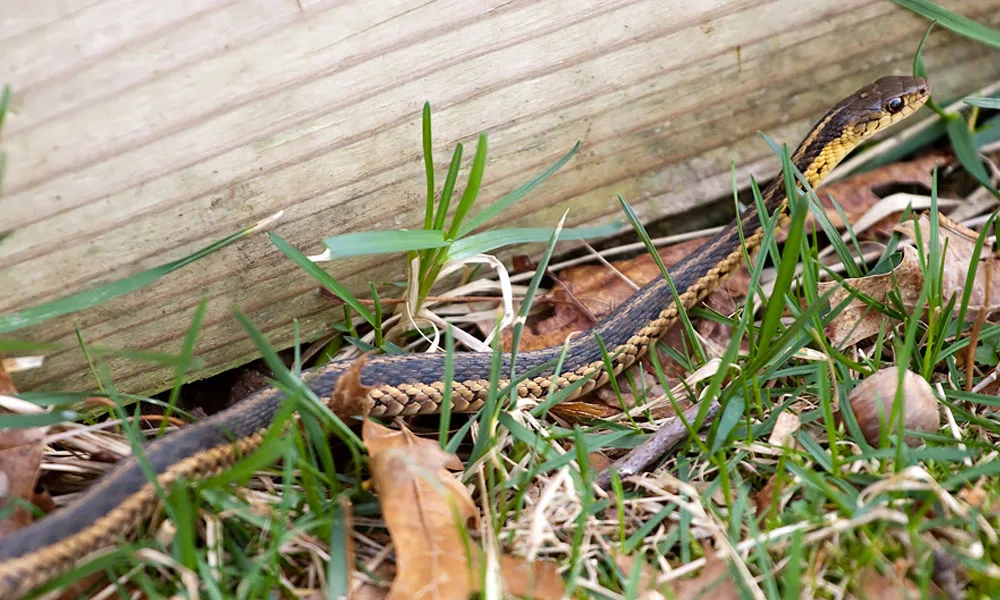
Pensacola’s warm climate, wooded neighborhoods, wetlands, and thicker landscaping provide a natural habitat for snakes. Most snakes want to avoid people and pets, but an encounter can happen quickly when your dog curiously noses through brush, investigates a woodpile, or surprises a snake near a fence.
A bite from a venomous snake is a veterinary emergency. If you see the strike or find your dog near a snake and notice sudden pain or swelling, contact a veterinarian immediately.
Signs of a Snakebite in Dogs
Bites commonly occur on the face, muzzle, or legs. Depending on the type of snake, location of the bite, and amount of venom delivered, signs may include:
- Sudden yelping or jumping back.
- Rapid swelling or pain.
- One or more puncture marks.
- Bruising or bleeding.
- Weakness, trembling, or collapse.
- Vomiting or drooling.
- Pale gums or difficulty breathing.
- Loss of coordination or other neurologic changes.
Puncture marks can be difficult to see beneath fur, and swelling may not appear immediately. Do not assume the bite was harmless because your dog initially seems normal.
What to Do Right Away
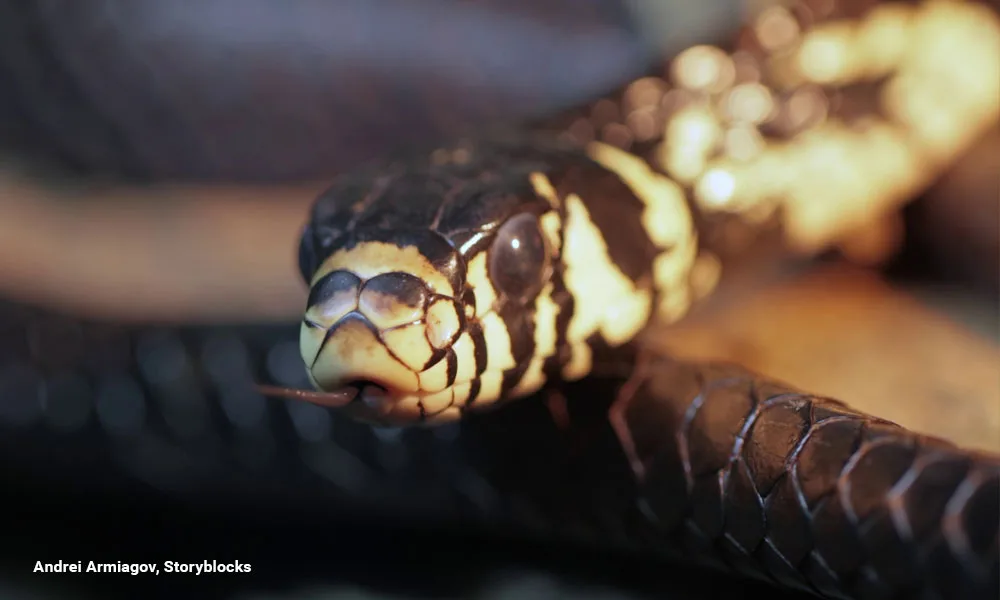
Move away from the snake without putting yourself at risk. Do not try to catch or kill it. If you can safely take a photo from a distance, it may be helpful, but treatment should never be delayed to identify the snake.
Keep your dog as quiet as possible. Activity can increase circulation and potentially spread venom faster. Carry a small dog if you can do so safely. For a larger dog, walk slowly and directly to the vehicle. Call the veterinary hospital while you are on the way so the team knows what happened and can advise you.
Remove a collar if the bite is on the face or neck and swelling is developing. Be cautious: a frightened or painful dog may bite even if it has never done so before.
What Not to Do
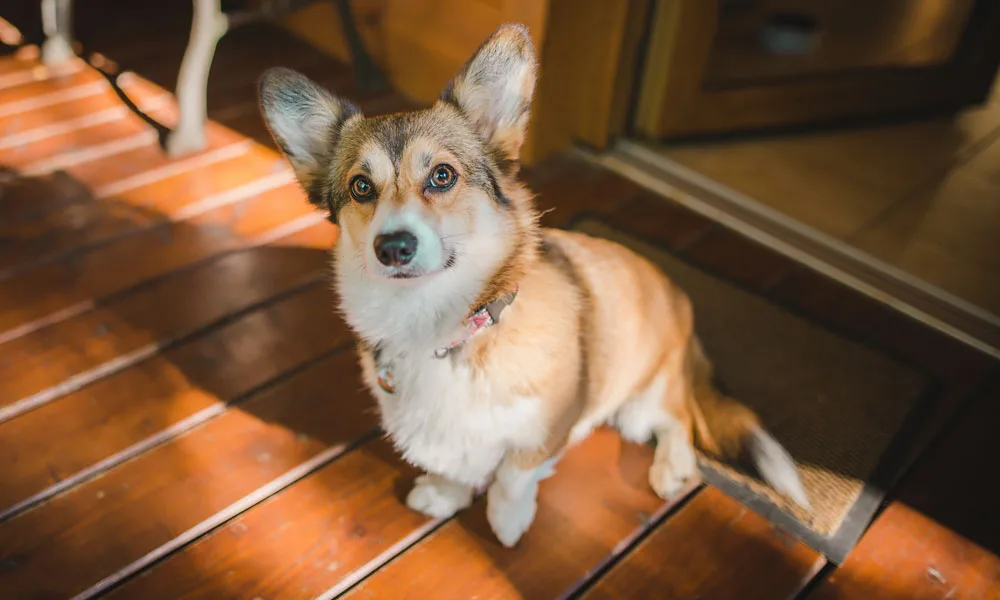
Do not cut the wound, suck out venom, apply ice, or use a tourniquet. These measures can injure tissue or interfere with circulation. Do not give human pain relievers. Common medications found at home can be toxic to dogs and may complicate treatment.
Avoid giving food or water unless the veterinary team instructs you to do so. Your dog may need sedation, anesthesia, or other procedures after arrival.
Veterinary Treatment Matters
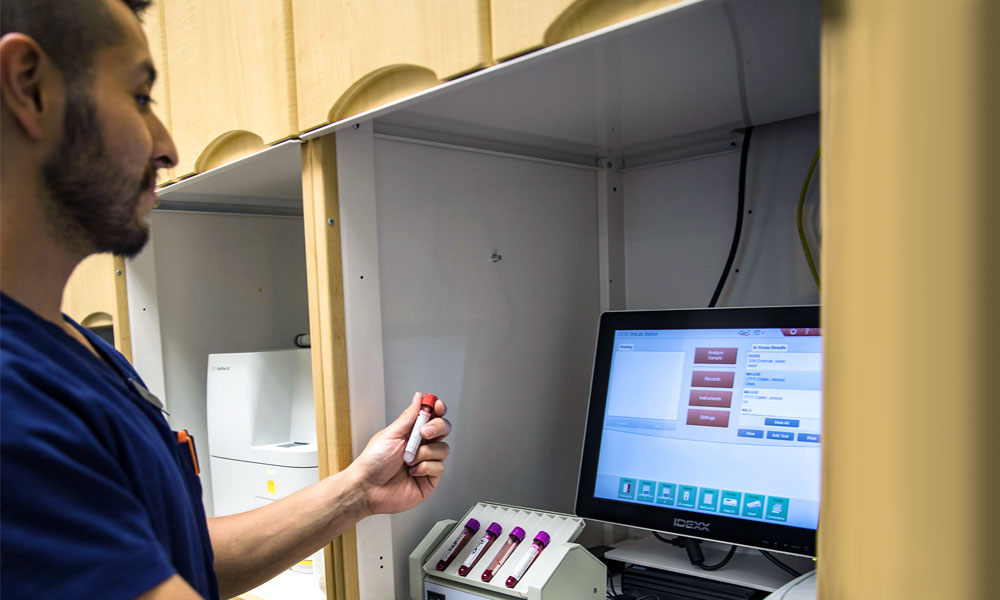
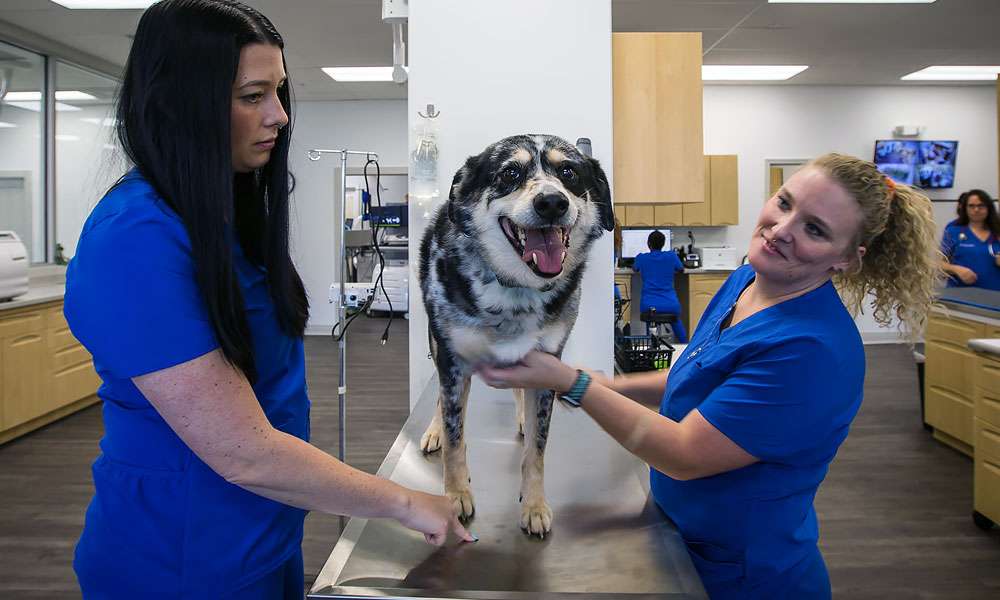
The veterinary team will assess breathing, circulation, pain, swelling and evidence of tissue or blood damage. Treatment depends on the suspected snake, severity of the reaction and the dog’s overall condition. It may include antivenom, intravenous fluids, pain control, laboratory monitoring, wound care and hospitalization.
Fast medical attention can make a major difference. Waiting for symptoms to worsen uses time that may be important for treatment.
Preventing Encounters Around Your Home
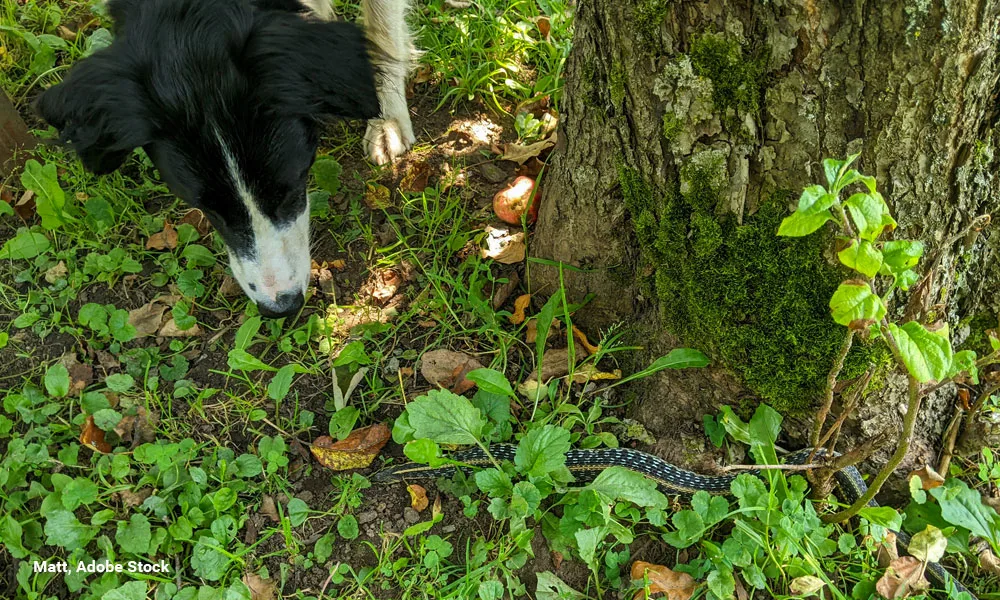
Keep grass trimmed and remove piles of lumber, brush, leaves, and yard debris where snakes or their prey can hide. Store firewood off the ground and away from the house. Address rodent problems and use a flashlight during nighttime walks.
Be sure to keep your dogs leashed on trails and away from tall grass and vegetation around the shoreline. Teach a reliable “leave it” cue, but remember that training alone can’t replace supervision.
If you encounter a snake while walking, give it plenty of room and change direction. Snakes may still move or bite after appearing injured or dead, so do not allow a dog to approach one lying in the road or yard. After contractors, lawn crews, or storms disturb brush and debris, check the area before letting your dog outside.
Call East Hill Animal Hospital
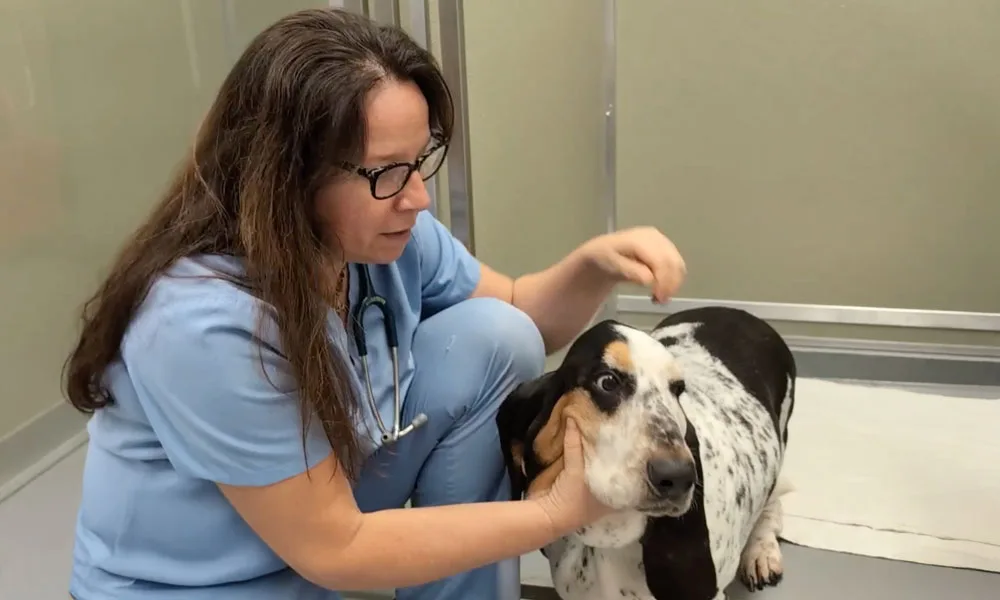
If your dog has been bitten by a snake, call East Hill Animal Hospital in Pensacola at 850-437-9932 immediately. If we can’t receive the case at that time, look for the nearest open veterinary emergency facility without delay.
East Hill Animal Hospital is part of the Pensacola Pets family of companies, serving local families with veterinary care, advanced diagnostics, rehabilitation, boarding, daycare, training, and grooming. Snake encounters are an unavoidable possibility in Northwest Florida, but quick, calm action gives your dog the best chance for a good outcome.