
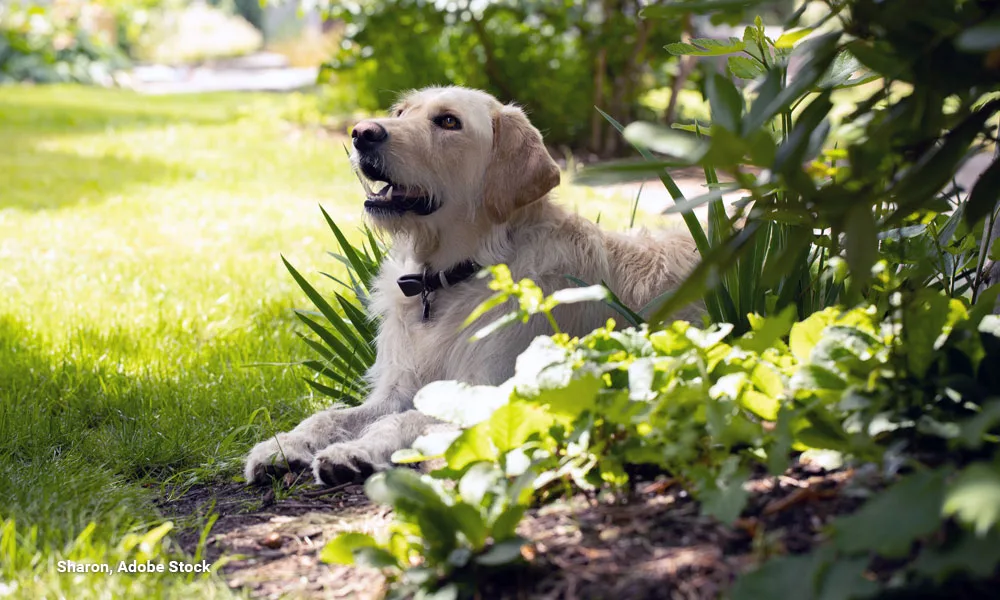
Pensacola dogs love the backyard. Between warm weather, rain, thick grass, sandy soil, shrubs, patios, and wooded edges, there is always something to sniff, chase, lick, or chew. Most of the time, that curiosity is harmless. Sometimes, it can turn into a veterinary emergency.
At East Hill Animal Hospital, part of the Pensacola Pets family of companies, pet owners can get help when a dog gets into something dangerous outside. From veterinary care to boarding, grooming, training, daycare, swimming, and rehabilitation, Pensacola Pets offers local families a one-stop place to turn when their pets need care.
Here are common yard dangers for dogs in Pensacola and what to do fast.
Toads and Frogs Can Be Trouble for Curious Dogs.
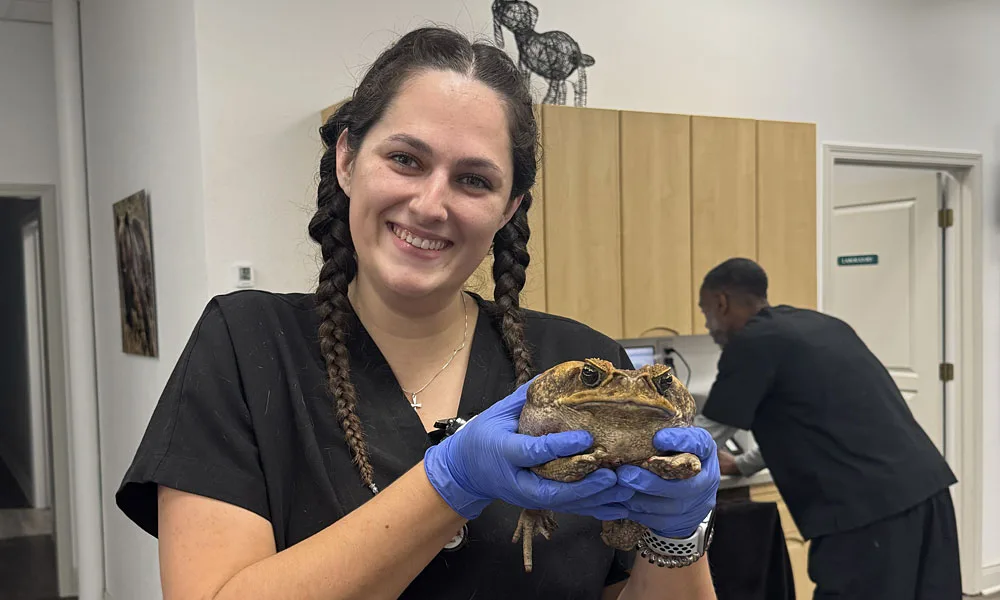
Many dogs do not know the difference between a toy, a frog, and a toad. They pounce, lick, mouth, or bite before owners can stop them. While both frogs and toads may attract a curious dog, toads are the bigger concern because some can release irritating toxins that affect a dog quickly.
Signs may include heavy drooling, foaming at the mouth, pawing at the face, red gums, vomiting, shaking, weakness, stumbling, or seizures. If your dog mouths a toad, act right away.
Move your dog away from the toad. Wipe the gums and inside of the mouth with a damp cloth. You can gently rinse the mouth with water, keeping the dog’s head pointed downward so the water runs out instead of being swallowed. Then call your veterinarian or a pet poison hotline for instructions.
Do not wait to see if severe symptoms start. Toad toxin can move fast.
Snakebites Need Urgent Veterinary Care.
Pensacola yards, wooded lots, trails, and tall grass can attract snakes. Not every snake is venomous, but it is not safe to guess after a bite.
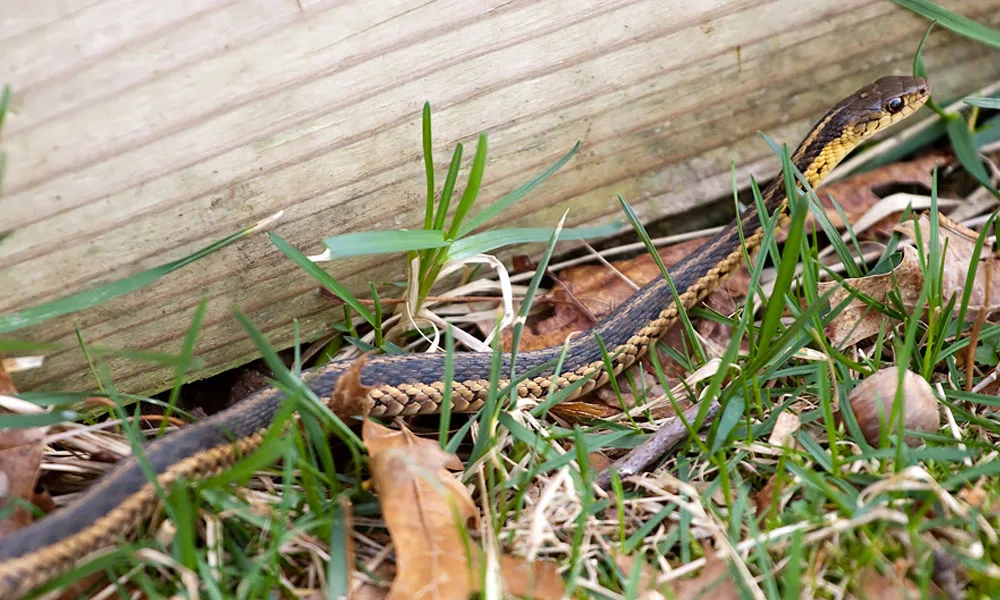
Snakebite signs may include sudden yelping, swelling, puncture marks, pain, bruising, drooling, weakness, vomiting, collapse, or rapid breathing. Bites often happen on the face, muzzle, legs, or paws.
If you suspect a snakebite, keep your dog calm and limit movement. Carry your dog if possible. Do not cut the bite, apply ice, use a tourniquet, or try to suck out venom. Do not give human pain medicine. Call East Hill Animal Hospital during office hours or contact an emergency veterinary hospital if it happens after hours.
If you can safely take a photo of the snake from a distance, do so. Never risk another bite trying to catch or kill it.
Wild Mushrooms Are Not Worth the Risk.
After rain, mushrooms can pop up quickly in Pensacola lawns, mulch, and shaded areas. Some are harmless, but some can cause serious illness. It is very hard for most pet owners to know which is which.
Symptoms of mushroom poisoning may include vomiting, diarrhea, drooling, weakness, stumbling, tremors, seizures, yellowing of the eyes or gums, or changes in behavior.
If your dog eats a wild mushroom, remove any pieces from the mouth. Take a clear photo of the mushroom and, if you can do it safely, collect a sample in a bag. Call your veterinarian or pet poison control right away. Do not induce vomiting unless a veterinary professional tells you to.
Toxic Plants Can Be Hiding in Plain Sight.
Many common landscape plants can be dangerous for dogs. In Northwest Florida, yards may include sago palms, oleander, azaleas, lilies, lantana, bulbs, or other plants that can cause stomach upset or more serious illness.
Warning signs after chewing a plant may include vomiting, diarrhea, drooling, loss of appetite, shaking, weakness, abnormal heart rate, or collapse. If your dog eats a plant and you are not sure it is safe, call for help.
Bring the plant name, a photo, or a sample to the veterinarian. The more information you provide, the faster the team can decide what your dog may need.
Make Your Pensacola Yard Safer.
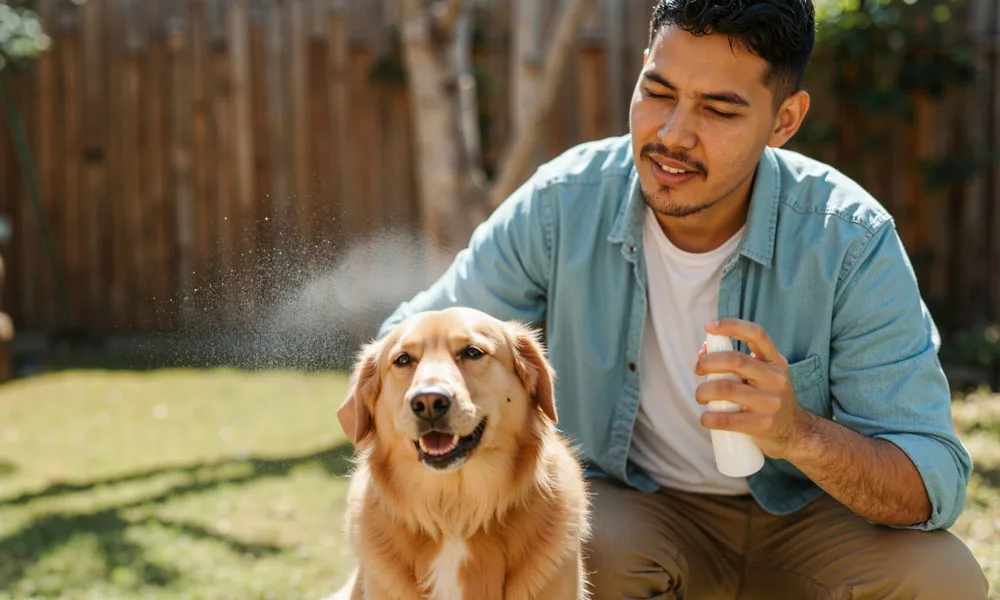
Walk your yard often, especially after storms or heavy rain. Remove mushrooms. Keep dogs away from thick brush, woodpiles, standing water, and unfamiliar plants. Teach “leave it” and supervise dogs outside at dawn, dusk, and after rain, when wildlife may be more active.
Before boarding, daycare, grooming, training, or swimming at Pensacola Pet Resort, Pensacola Pet Resort, Too, or Pensacola Pet Resort Premier, also check your dog for swelling, bites, skin irritation, or signs that they may have eaten something outside.
Call East Hill Animal Hospital at (850) 437-9932.
If your dog mouths a toad or frog, gets bitten by a snake, eats a wild mushroom, chews a toxic plant, or suddenly acts sick after being outside, call East Hill Animal Hospital in Pensacola. Fast action can protect your dog’s health and give your pet the best chance at a full recovery.