
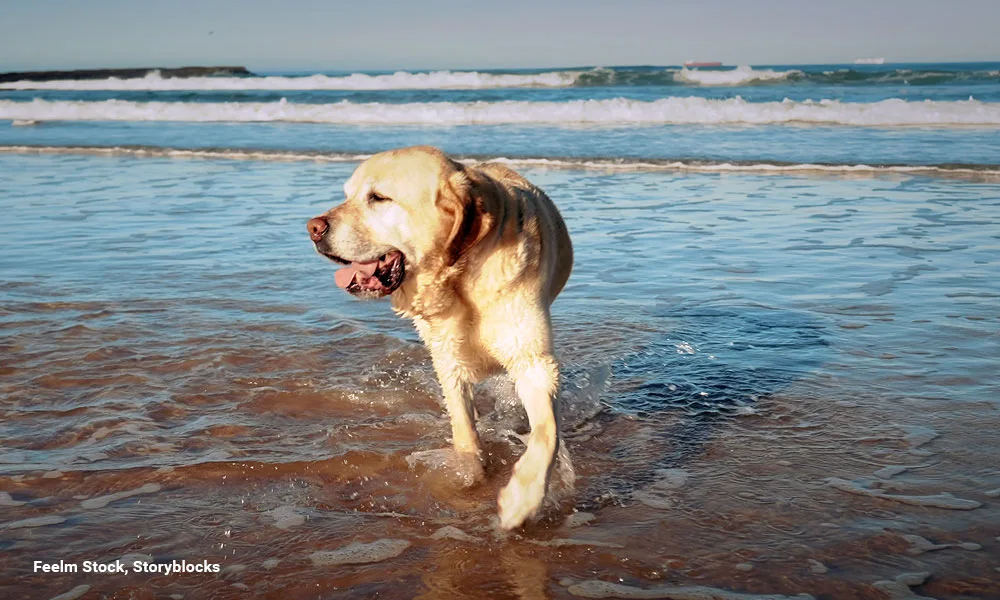
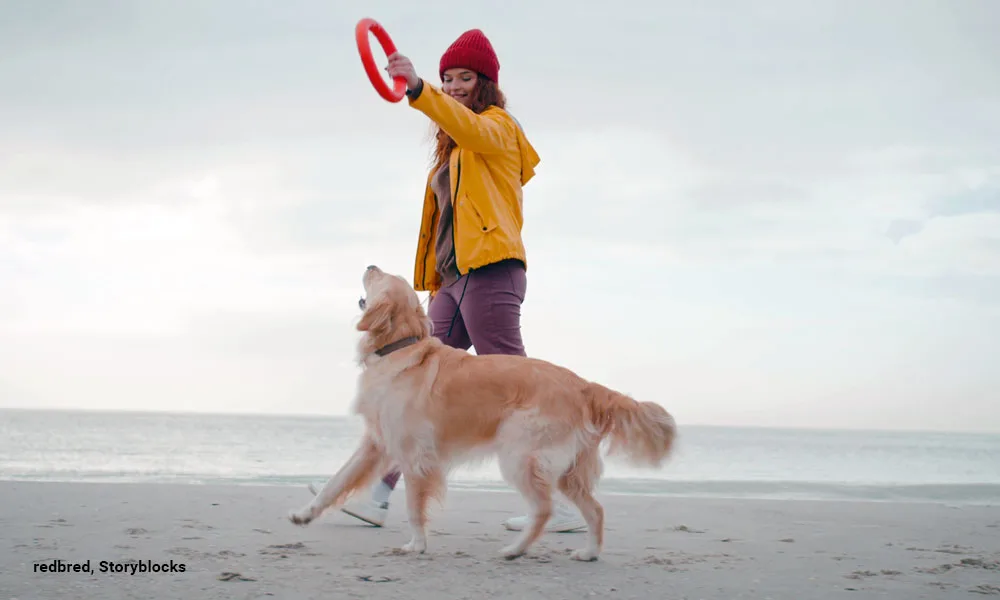
A day at Pensacola Beach can be just as much fun for a dog as it is for the rest of the family. There is sand to dig in, water to splash through, and plenty of room to run. But the Gulf also presents risks that dog owners should understand before packing the leash and beach towels.
One of the biggest concerns is saltwater. A dog may swallow a little while retrieving a ball, biting at waves, or swimming with its mouth open. A small accidental gulp may only cause an upset stomach. Drinking a larger amount can lead to saltwater poisoning, which can become a medical emergency.
Signs Your Dog Drank Too Much Saltwater
Salt pulls water out of the body’s cells and can cause a dangerous rise in sodium. Early symptoms may include:
- Vomiting or diarrhea.
- Excessive thirst.
- Weakness or unusual tiredness.
- Loss of coordination.
- Muscle tremors or seizures.
Do not wait for severe symptoms if you know your dog drank a significant amount of seawater. Call a veterinarian promptly. Trying to correct the problem by forcing a dog to drink a large amount of fresh water can also be unsafe. A veterinarian should determine the proper treatment based on the dog’s symptoms and condition.
Sand Can Cause Problems, Too
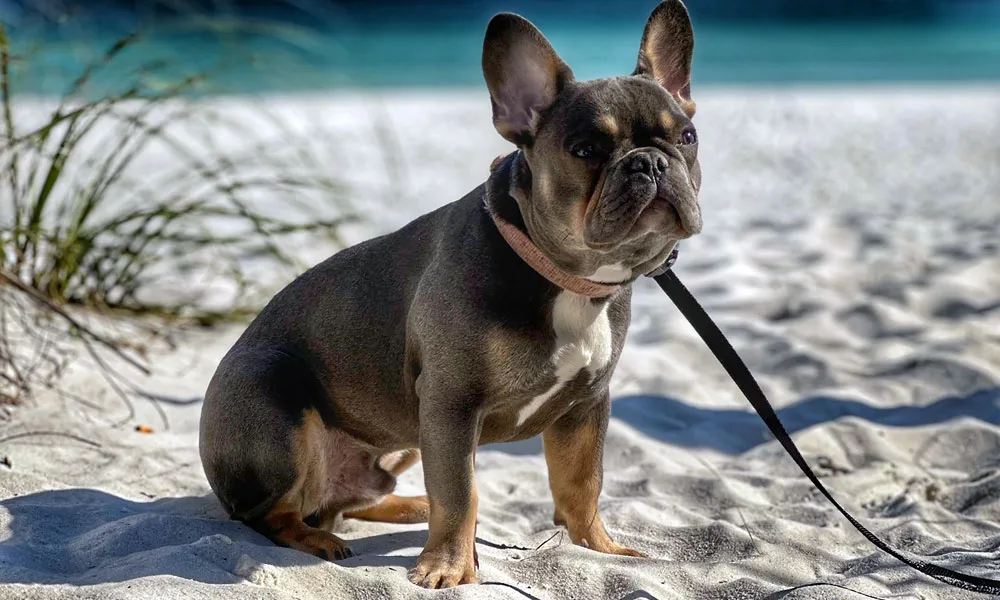
Dogs often swallow sand while licking their paws, digging, eating food dropped on the beach or repeatedly picking up a wet tennis ball. Sand can collect in the digestive tract and create a painful blockage known as sand impaction.
Watch for repeated vomiting, abdominal discomfort, loss of appetite, constipation, restlessness or unusual sluggishness after a beach trip. These signs warrant a call to your veterinarian. Diagnostic imaging may be needed to determine whether sand or another foreign object is causing the problem.
Fishhooks, fishing line, bait and dead fish are additional hazards along the Pensacola shoreline. Never pull on fishing line hanging from a dog’s mouth. The hook may be lodged in the mouth, throat or farther down the digestive tract. Keep the dog calm and seek veterinary help.
Make Beach Time Safer
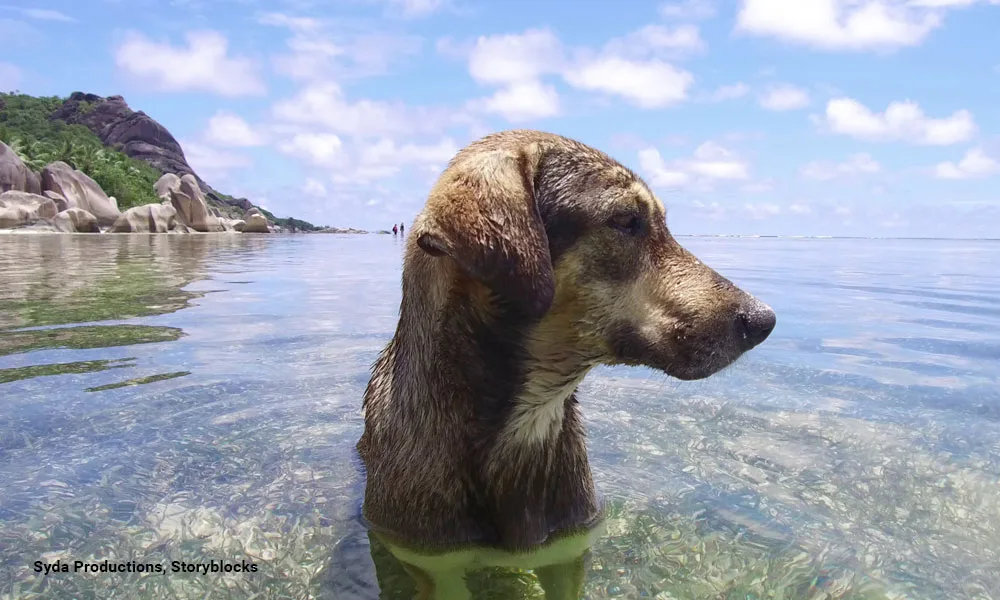
You should consider bringing more fresh water than you think your dog will need and offer it frequently from a clean bowl. Be sure to take regular breaks in the shade and limit hard running during the hottest part of the day. A dog that is busy playing may not stop on its own.
Keep a close eye on what your dog picks up. Use a leash where required and consider a canine life jacket for dogs that are inexperienced swimmers, older, or easily tired. Rinse your dog with fresh water when you leave. Salt and sand left on the coat and paws can irritate the skin, especially between the toes.
Check the paws for cuts from shells or other sharp objects. If your dog has an open wound, a recent surgical incision, or irritated skin, ask your veterinarian whether a beach visit is appropriate.
Pay attention after you get home as well. Problems caused by swallowed sand, bait or saltwater may not be obvious while a dog is still excited at the beach. Note any changes in appetite, energy, drinking, bowel movements or behavior during the rest of the day and the following morning. When calling a veterinarian, describe where the dog was, what may have been swallowed, and when the symptoms started.
Veterinary Help After a Pensacola Beach Trip
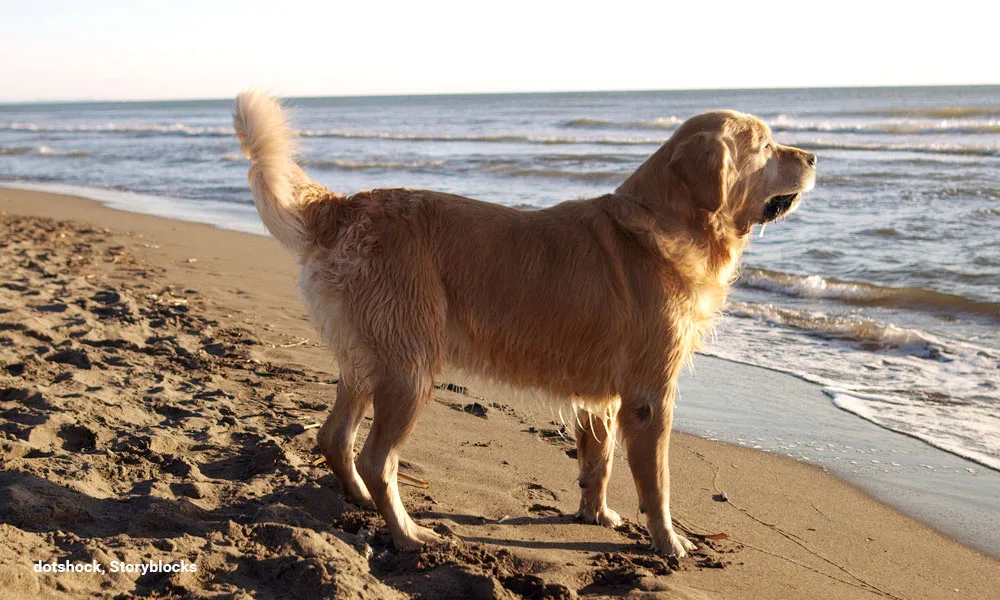
If your dog becomes sick after visiting Pensacola Beach, Perdido Key or another Gulf Coast beach, contact East Hill Animal Hospital at 850-437-9932. The hospital offers examinations, laboratory testing, and advanced diagnostic imaging when an ingested object, sand impaction, or another internal problem is suspected.
East Hill Animal Hospital is part of the Pensacola Pets family of companies, which brings veterinary care, advanced diagnostics, rehabilitation, grooming, training, daycare and boarding together for local pet owners. A beach day should finish with a tired, happy dog. Knowing the risks and acting quickly when something seems wrong can help keep it that way.