
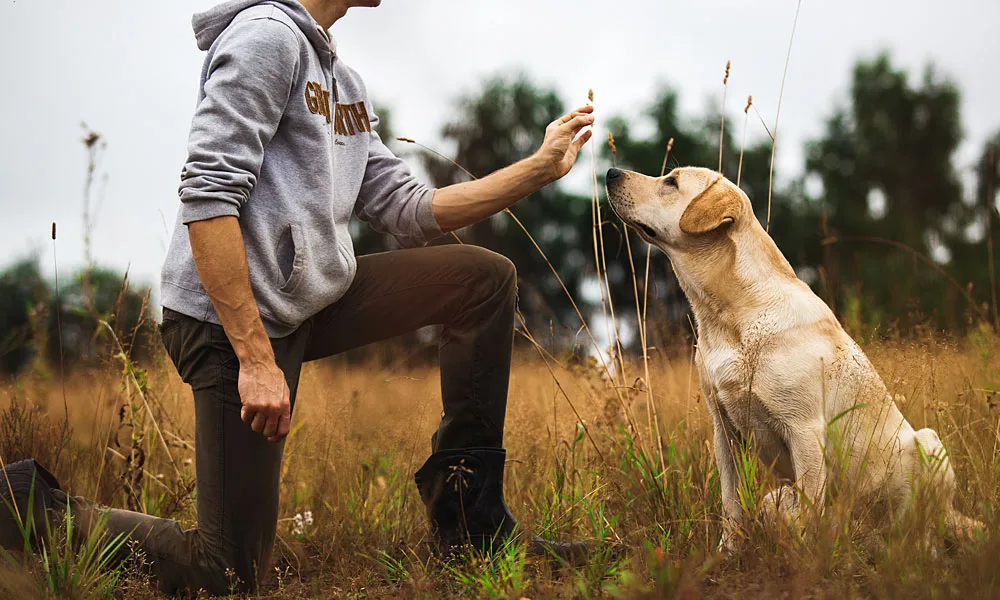

Leaving your dog for two weeks is a big decision. Before enrolling in Board and Train, most owners want to know how the days are structured, how much training their dog receives, and what happens when the dog comes home. Those are sensible questions.
Pensacola Pet Resort Premier offers Board and Train for dogs 20 weeks and older. The program combines daily professional training with exercise, supervised activities, and practice away from the training room. Each dog’s plan may vary, but the main parts of the experience remain consistent.
Learning Begins With the Individual Dog

Dogs arrive with different histories, habits, and personalities. One may know how to sit but pull hard on a leash. Another may be easily distracted, lack confidence, or become overexcited around people. Trainers need to understand those patterns before they can build useful skills.
The training team focuses on the goals discussed with the owner and adjusts the work to the dog’s ability and temperament. This is important because a high-energy adolescent and a cautious adult dog may need very different pacing, even when both are learning the same basic command.
Daily Obedience Is Part of the Routine

Training does not happen once and then disappear from the rest of the day. Dogs receive daily obedience work and repeated chances to practice appropriate behavior. Depending on the dog’s goals, training may address attention, leash manners, reliable responses, calm greetings, impulse control, and other household skills.
Short, repeated learning opportunities can help a dog stay engaged and build a stronger habit. The dog begins to see that listening is expected during training, on a walk, and while moving through the rest of the resort routine.
Five Daily Walks Provide Exercise and Practice
Each Board and Train dog receives five walks a day. Walks provide physical activity, but they can also reinforce focus, polite leash behavior, and calm movement. A walk is a practical place to work because leash pulling and distraction are among the most common concerns dog owners face.
Pool Time and Playgroups Add Variety
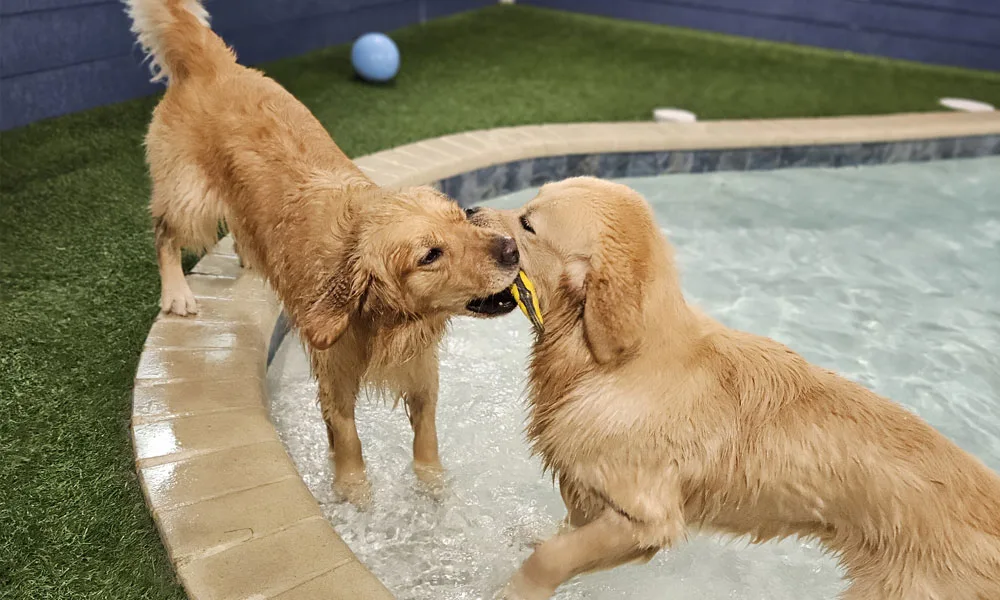
Dogs also receive pool time, giving them another outlet for activity and enrichment. Friendly dogs may participate in supervised playgroups. Playgroup participation depends on the dog’s comfort and behavior around other dogs. It is not treated as the right choice for every pet.
Active periods are balanced with rest. Downtime gives a dog a chance to recover from exercise and learning instead of remaining stimulated all day. A good routine includes both work and quiet time.
Field Trips Move Training Into the Real World

A dog may follow a command in a familiar room and forget it when the environment changes. Real-world exposure field trips give trainers a chance to practice around new sights, sounds, and distractions. This helps bridge the gap between learning at the resort and behaving appropriately in everyday settings.
The Owner Becomes Part of the Next Phase
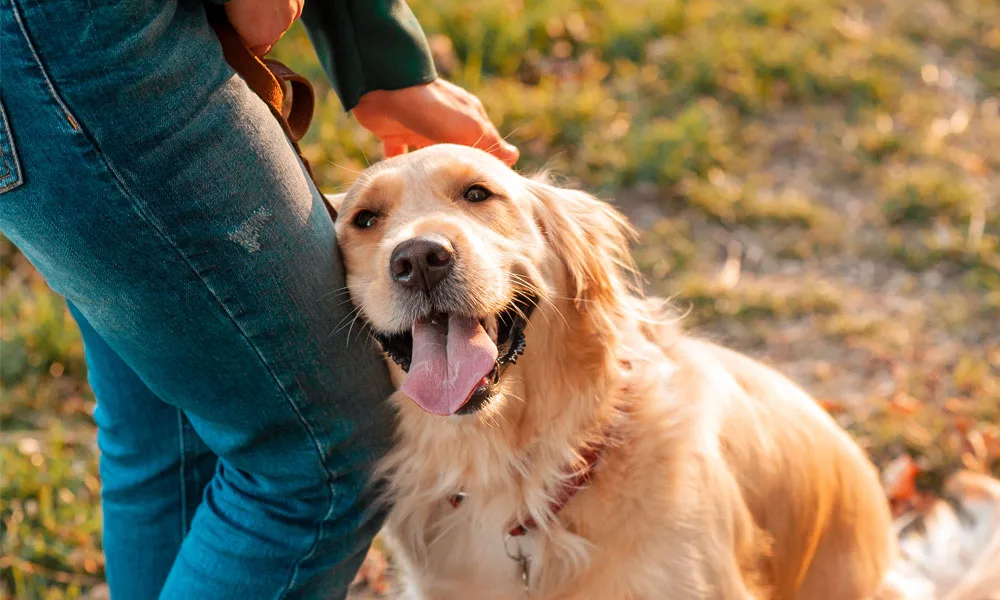
Two weeks can create meaningful progress, but it cannot remove the owner’s role. When the dog returns home, the family must use the same cues and maintain clear expectations. Without follow-through, old habits can return because the home environment is different from the resort.
Pensacola Pet Resort Premier provides refresher training for the life of Board and Train graduates. That continued access can help owners sharpen their technique, strengthen a fading skill, or address a new issue.
Ask Questions Before You Enroll

A consultation is the best time to discuss your dog’s age, health, behavior history, comfort around other dogs, and training goals. It also helps the team decide if Board and Train is a good fit or if private lessons would be a better starting point.
To learn more about the two-week Board and Train program in Pensacola, call Pensacola Pet Resort Premier at 850-434-6210. The resort is located at 4920 North Davis Highway in Pensacola.