
Muzzle training is often misunderstood. Many people see a dog wearing a muzzle and assume something is wrong. They may think the dog is aggressive, unsafe, or badly behaved. That is not always the case.
For many dogs, a muzzle is simply a safety tool. When introduced the right way, it can help during grooming, veterinary care, training, boarding, or stressful situations.
At Pensacola Pet Resort Premier, part of PensacolaPets.com, our team works with dogs of all sizes, ages, temperaments, and comfort levels. Some dogs settle in quickly. Others need more time, structure, and patience. A muzzle can sometimes help a nervous or sensitive dog navigate certain situations with less stress and greater control.
The key is how the muzzle is introduced.
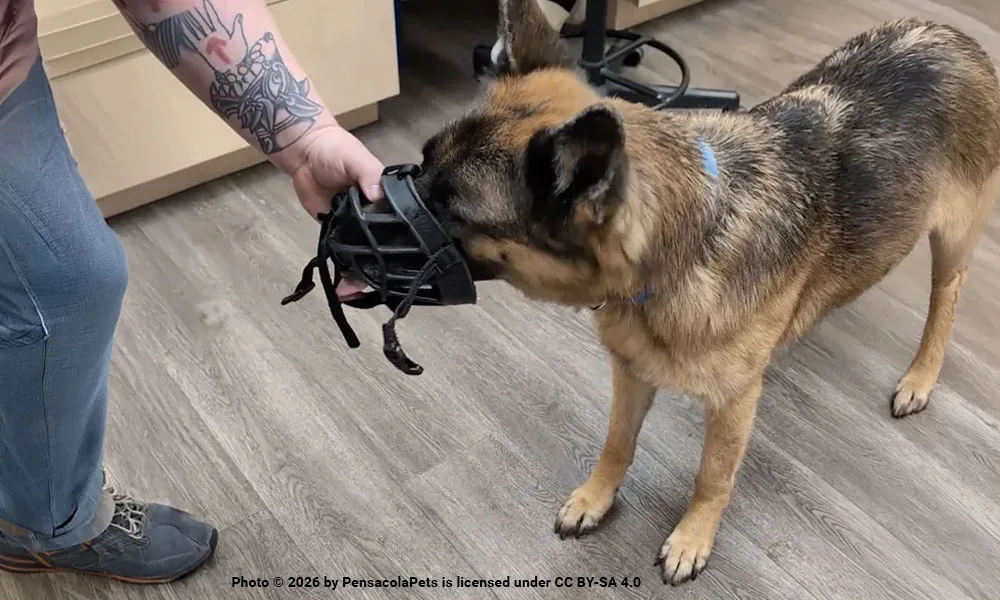
A dog should never feel trapped, punished, or forced into wearing one. Good muzzle training starts slowly. The dog is allowed to see it, sniff it, and learn that it is not scary. Treats, praise, and short sessions help the dog connect the muzzle with something positive.
In our video, the dog is given time to understand what is happening. There is no rushing. That matters. A rushed dog may panic or fight the process. A dog that is allowed to learn at its own pace is much more likely to accept the muzzle calmly.
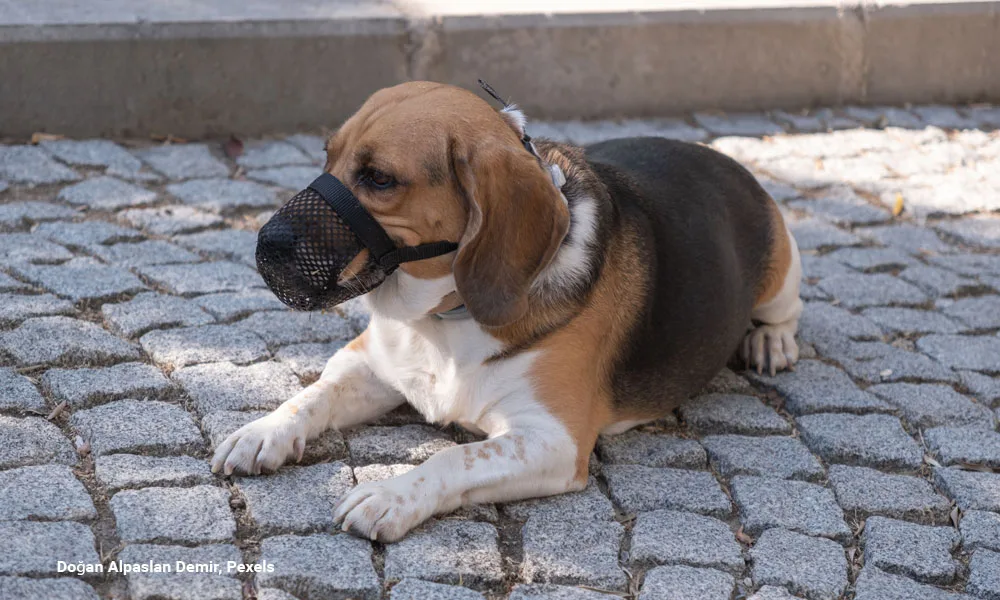
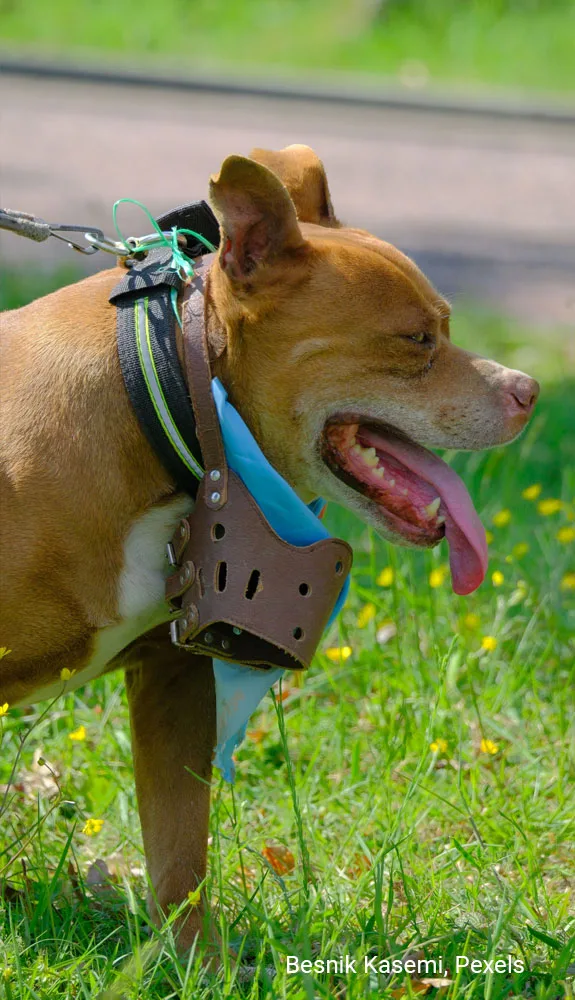
The type of muzzle also matters. Many dogs do best with a basket-style muzzle because it allows them to pant, breathe, and take small treats. That is especially important in Pensacola, where heat and humidity can be hard on dogs. A muzzle should fit well without rubbing, slipping, or restricting normal breathing.
Muzzle training does not mean a dog is “bad.” Some friendly dogs become nervous during nail trims, baths, ear cleaning, brushing, or exams. Some dogs get scared when they are hurt. Others may need help staying calm around new dogs, new people, or busy environments.
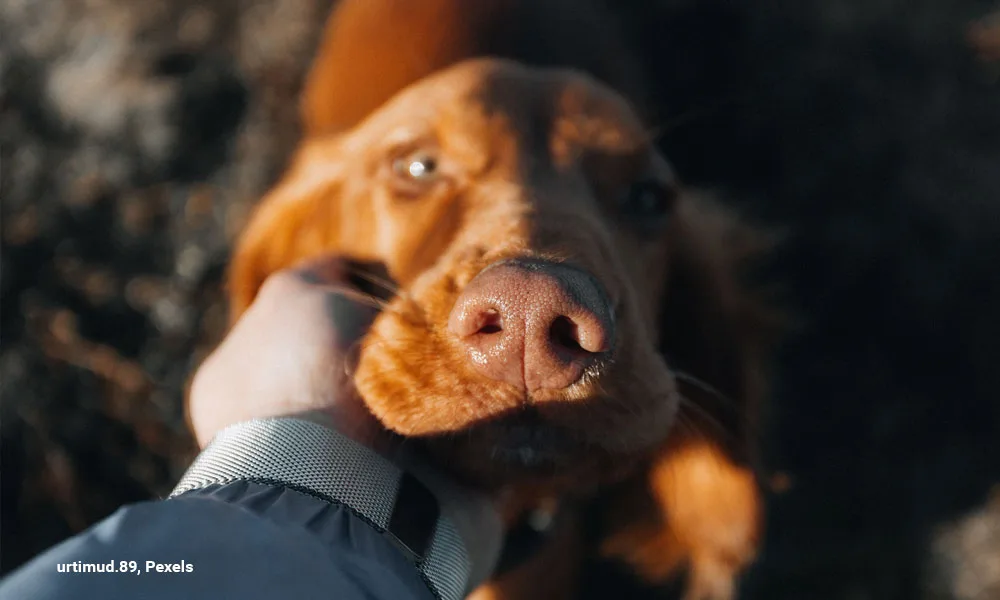
Even a gentle dog can react if it feels cornered, in pain, or overwhelmed. Muzzle training gives pet owners and care teams one more way to keep everyone safe while the dog learns, adjusts, or receives care.
This can be helpful for dogs getting ready for boarding in Pensacola, dog daycare, grooming appointments, or structured training. Not every dog needs a muzzle. Not every dog will use one during boarding or grooming. But dogs that are comfortable with basic handling tools are often easier to care for when a new situation comes up.
Pet owners can practice at home in short sessions. Start by placing the muzzle on the floor. Let your dog look at it and sniff it. Put treats near it, then inside it. Let your dog place its nose in of its own choice. Do not buckle it right away.
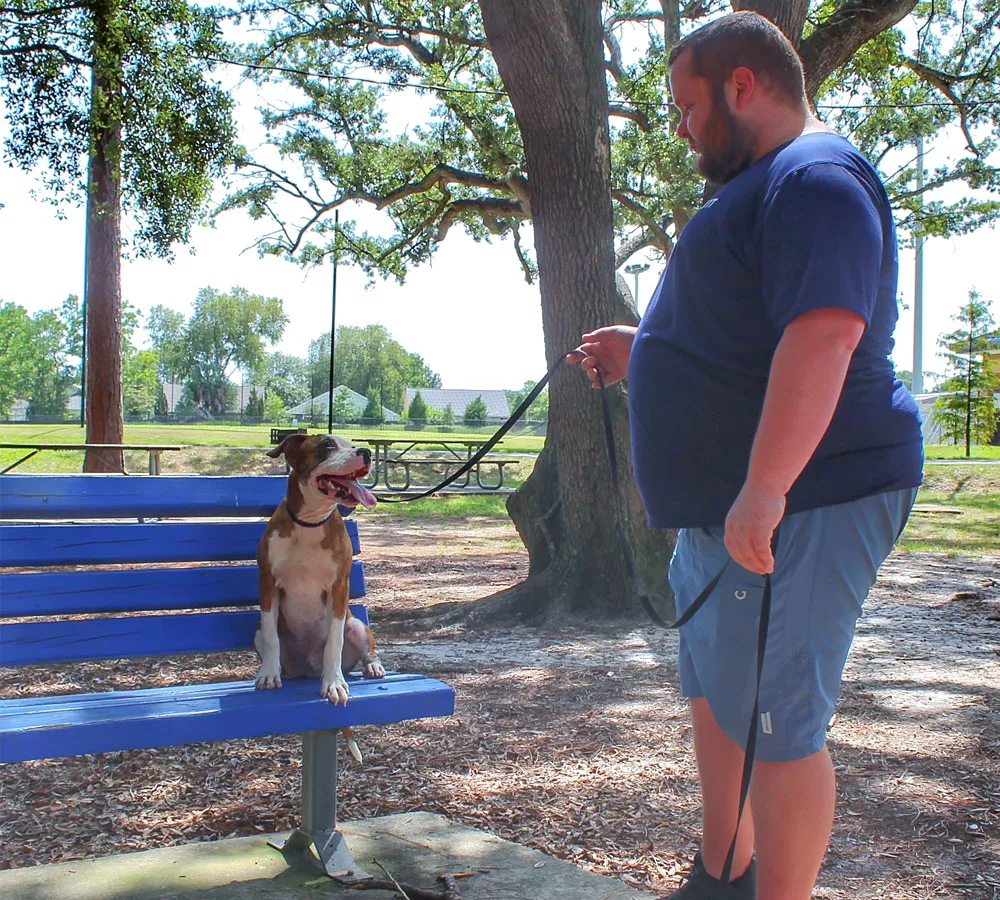
Once your dog is comfortable, you can slowly build up to closing the strap for a few seconds. Then remove it and reward your dog. Keep the sessions short and positive. The goal is not to see how long your dog can tolerate it. The goal is to teach your dog that the muzzle is safe.
There are also a few things to avoid. Do not force the muzzle on your dog. Do not use it only when something scary is about to happen. Do not leave a muzzled dog alone. Do not use a muzzle instead of proper training, supervision, or professional guidance.
At Pensacola Pet Resort Premier, safety is part of the care we provide. Our team pays close attention to body language, comfort level, play style, and each dog’s needs. Some dogs need slow introductions. Some need smaller groups. Some benefit from training before they are ready for busier settings.
Muzzle training can be a helpful step for dogs that need extra support.
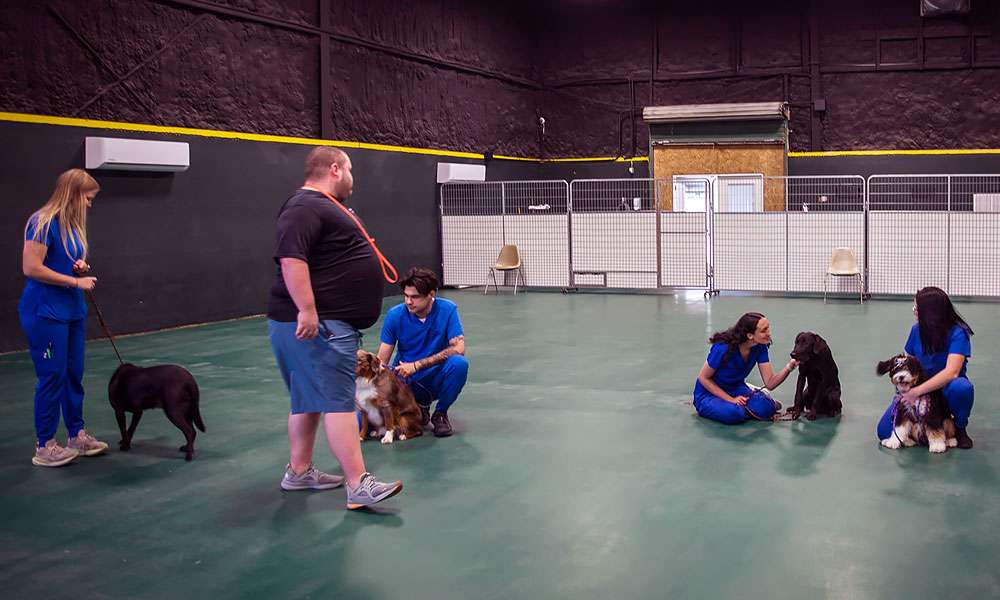
Pensacola Pet Resort Premier offers dog boarding, daycare, grooming, and dog training in Pensacola. As part of PensacolaPets.com, we help pet owners find the right care for their dogs, whether they need a place to stay, a training plan, or help preparing for grooming and handling.
If your dog is nervous, reactive, sensitive to touch, or preparing for boarding or grooming, muzzle training may be worth considering. With the right approach, it can help your dog feel safer and help the people caring for your dog do their job with confidence.