
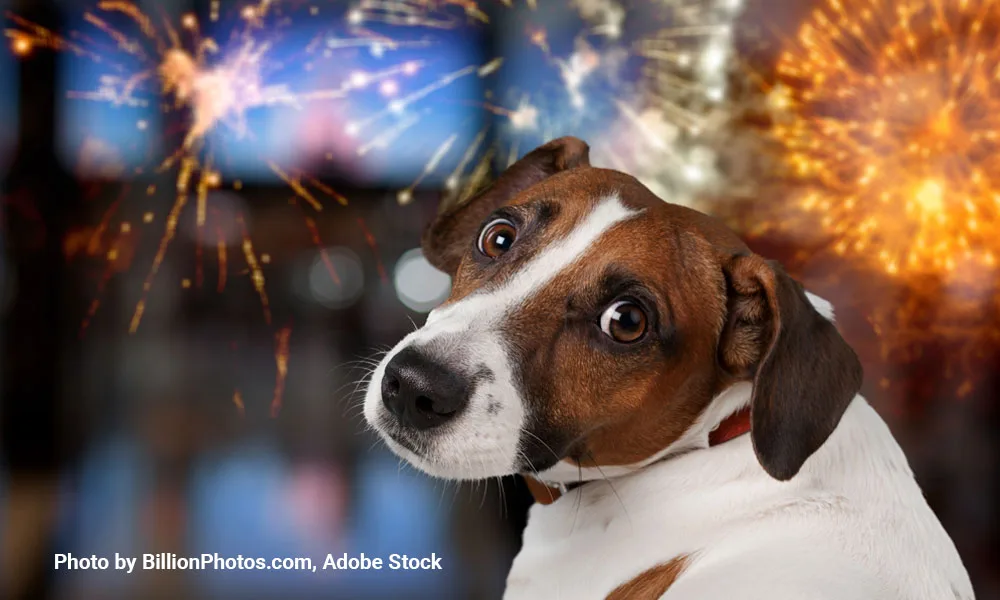

For many dogs, Fourth of July fireworks are more than just a minor nuisance. Loud sounds and flashes can trigger intense fear. A dog that is usually calm at home might suddenly shake, pant, hide, pace, bark, scratch at doors, or try to get away.
If your dog has reacted badly to fireworks before, it’s best to plan ahead. In Pensacola, neighborhood fireworks often start days before July 4 and may continue afterward. East Hill Animal Hospital can help you prepare for fireworks season and discuss options for dogs with serious fear.
Know Your Dog’s Fireworks Warning Signs
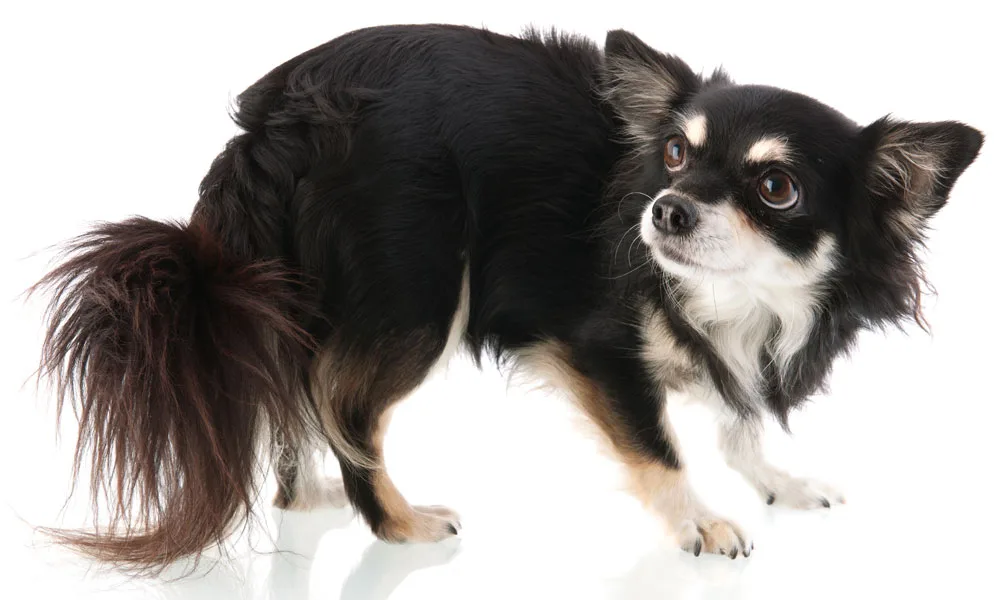
Some dogs quietly retreat to a bathroom or closet. Others become frantic. Signs that your dog may be struggling with fireworks include:
- Trembling, shaking, or heavy panting.
- Hiding and refusing to come out.
- Pacing or being unable to settle.
- Whining, barking, or drooling.
- Refusing treats or food.
- Scratching at doors or windows.
- Attempting to bolt outside or escape the home.
A frightened dog isn’t being stubborn. Fear can make dogs act in ways that are out of character or even unsafe. Noticing your dog’s reaction helps you keep them safe.
Prepare Before July 4 Arrives
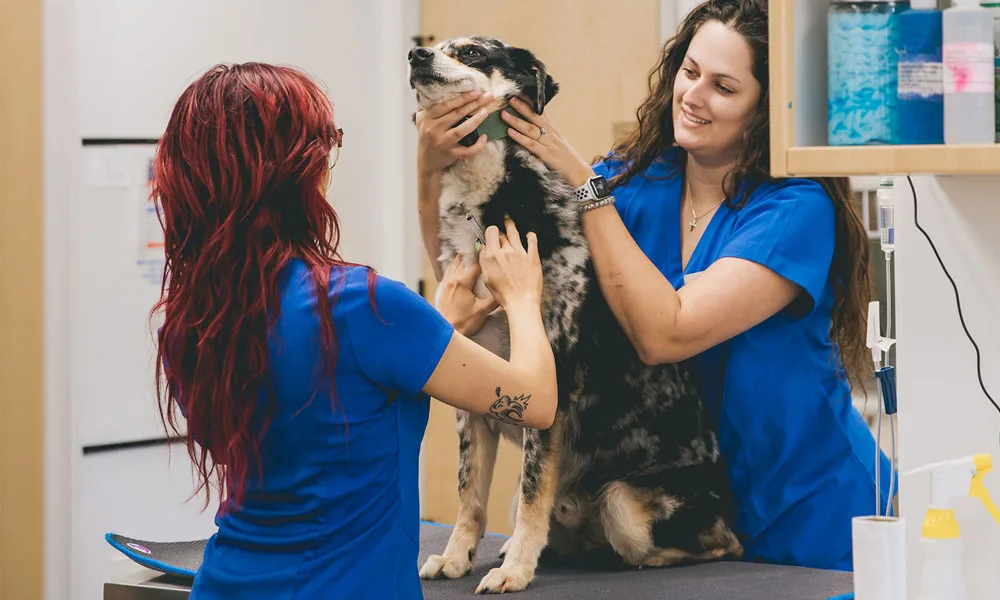
If your dog has a strong fear of fireworks, reach out to your Pensacola veterinarian before the holiday. Some dogs may need support, including prescription medication if it’s right for them. Your veterinarian can recommend what will help and explain how to use it. Plan for medication ahead of time—don’t wait until fireworks start.
Choose a safe indoor area where your dog feels comfortable. This may be an interior bedroom, bathroom, or walk-in closet, or a crate if your dog considers it a secure retreat. Place familiar bedding, water, and a toy there. Close blinds or curtains to reduce flashes, and use a television, fan, or soft music to help cover sudden outdoor noise.
Check your dog’s collar and identification tag, and confirm that microchip information is current. Even calm dogs can run when frightened.
Plan the Day Around Your Dog
On July 4, exercise your dog earlier in the day, before fireworks are likely to start and before Pensacola temperatures become uncomfortable. Give your dog time for a leashed bathroom break before evening. Once fireworks begin, keep your dog indoors, even in a fenced yard.
Dogs that are afraid of fireworks should not go to cookouts, festivals, beach gatherings, or fireworks displays. Leaving a scared dog home alone often makes things worse. If possible, have someone your dog trusts stay home to keep things calm.
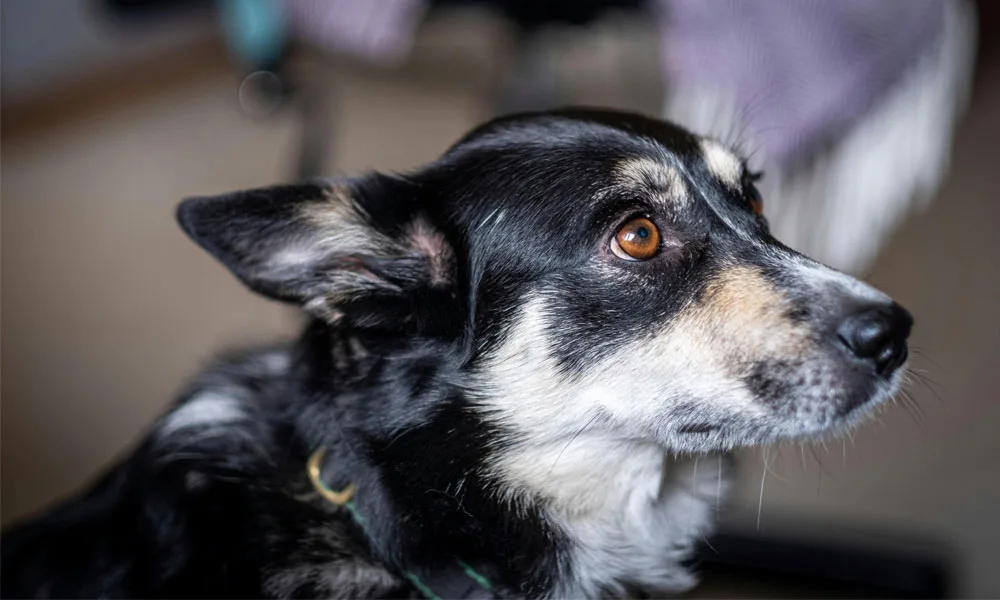
When the fireworks start, let your dog decide where to settle. Some dogs want to be near you, while others prefer a quiet hiding spot. Stay calm, sit close if they want, and offer comfort. Don’t punish fear or drag your dog out of hiding.
Avoid Unsafe Home Remedies
Never give your dog any human anti-anxiety medication, sleep aid, or calming product unless your vet says it’s safe. Even something that seems harmless can be dangerous for your dog’s health, age, size, or other medications.
If your dog panics, damages a door or crate, injures themselves, has trouble breathing, collapses, or cannot recover after the noise ends, seek veterinary guidance promptly.
Fourth of July Help for Dogs in Pensacola
If your dog dislikes fireworks, preparing early can make July 4 safer and less stressful. The team at East Hill Animal Hospital in Pensacola can help you make a plan before the celebrations begin.
If your dog shakes, hides, pants, tries to get away, or gets very upset during fireworks, call East Hill Animal Hospital at (850) 437-9932 to set up an appointment. Planning ahead gives your dog a better chance at a calm, safe July 4 in Pensacola.