
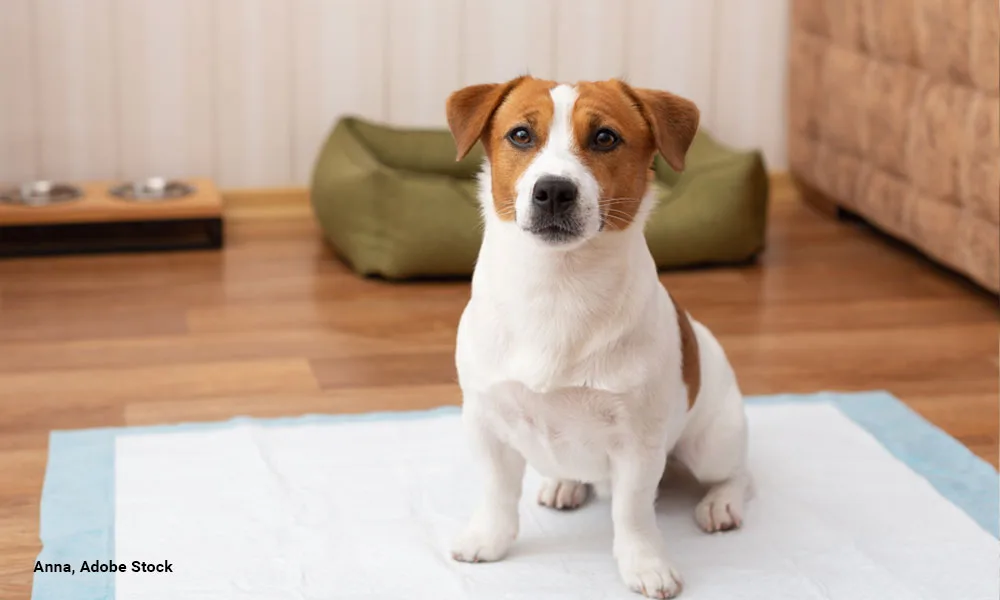
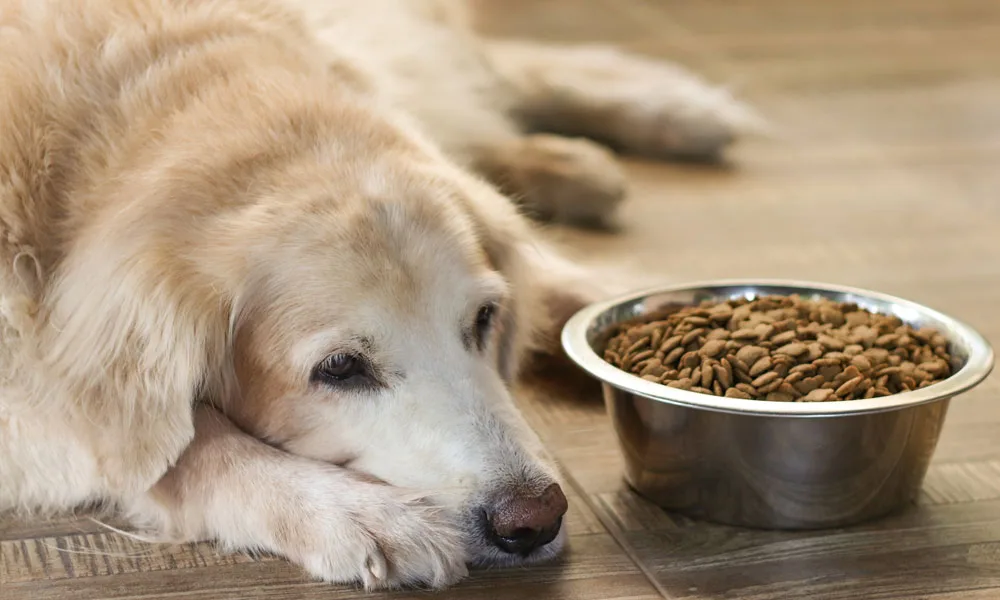
Dog diarrhea is one of the most common reasons pet owners start searching for a “vet near me.” Sometimes it is mild and clears up quickly. Other times, it can be a sign of infection, parasites, intestinal inflammation, food trouble, toxin exposure, or another medical problem that needs veterinary care.
For pet owners in Pensacola, East Hill, Downtown Pensacola, Cordova Park, Gulf Breeze, Perdido, Pace, Milton, Cantonment, Bellview, Warrington, and surrounding areas, East Hill Animal Hospital provides local veterinary care when your dog has diarrhea, vomiting, stomach pain, loss of appetite, or other digestive symptoms.
East Hill Animal Hospital is part of the Pensacola Pets family of companies, giving local pet owners one trusted family for veterinary care, diagnostics, wellness, rehabilitation, and other pet-care needs in the Pensacola area.
What Causes Dog Diarrhea?
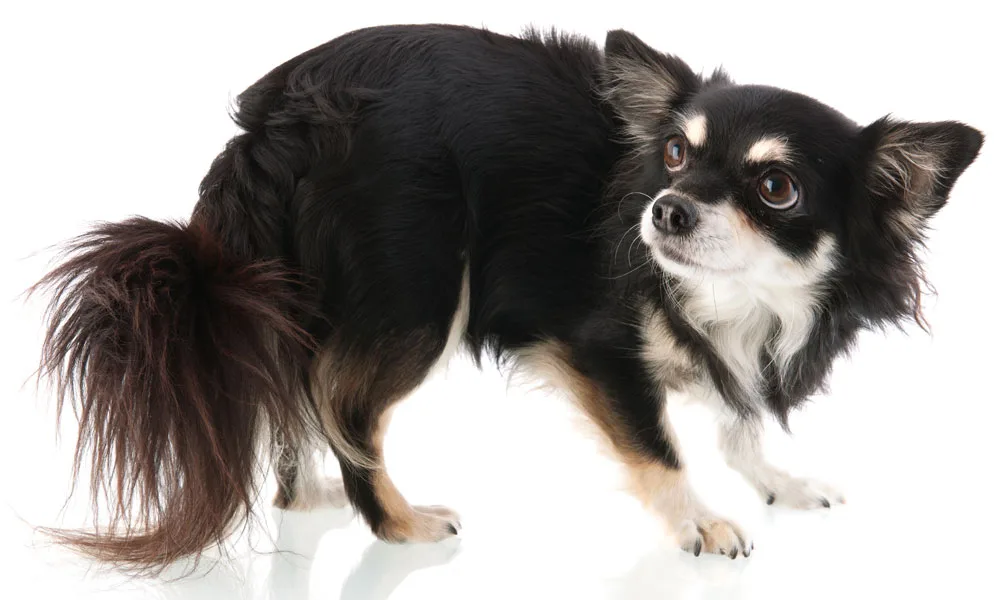
Dogs get diarrhea for many reasons. Some causes are simple. Others need testing and treatment.
A sudden change in diet can upset the stomach. So can table scraps, garbage, spoiled food, fatty foods, or treats your dog is not used to eating. Dogs can also get diarrhea after swallowing toys, sticks, mulch, plants, bones, or things they find in the yard.
Other causes may include intestinal parasites, bacterial infections, viral illness, stress, food sensitivities, pancreatitis, medication reactions, liver or kidney disease, inflammatory bowel disease, or toxin exposure.
In Pensacola, dogs may also encounter outdoor hazards such as standing water, wildlife, mushrooms, yard chemicals, and warm-weather parasites. That is one reason diarrhea should not be brushed off if it persists, worsens, or accompanies other symptoms.
When Dog Diarrhea May Be Mild.
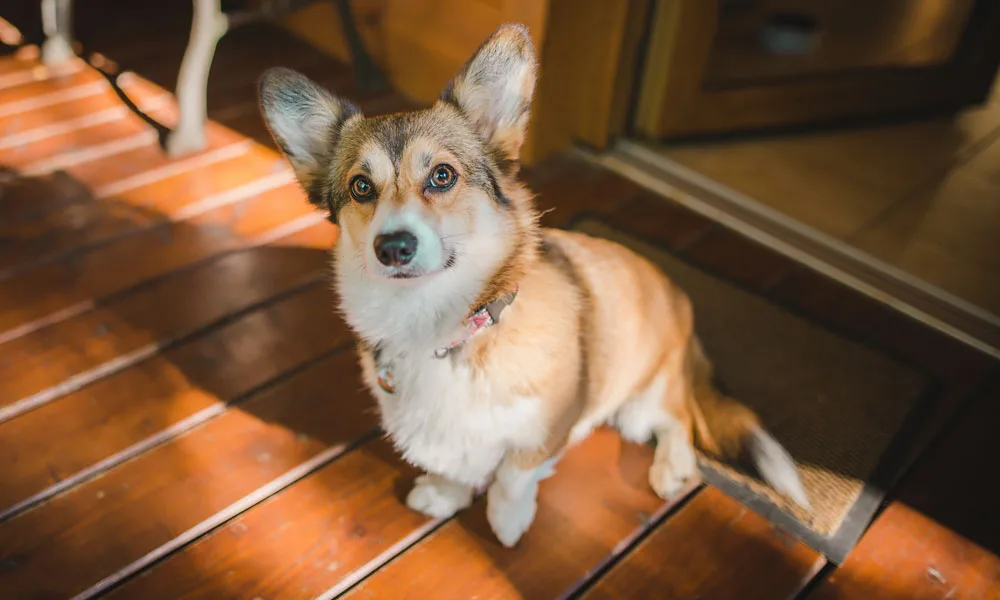
A single loose stool does not always mean an emergency. If your adult dog has one mild episode but is eating, drinking, playing, and acting normal, you can monitor closely.
Make sure fresh water is available. Take your dog outside more often. Watch the next few bowel movements. If diarrhea improves quickly and your dog stays bright and comfortable, it may have been a short-term upset.
Even then, do not give human diarrhea medicine unless your veterinarian tells you to. Some over-the-counter medications are unsafe for pets or can hide symptoms that your veterinarian needs to know about.
When to Call a Pensacola Vet.
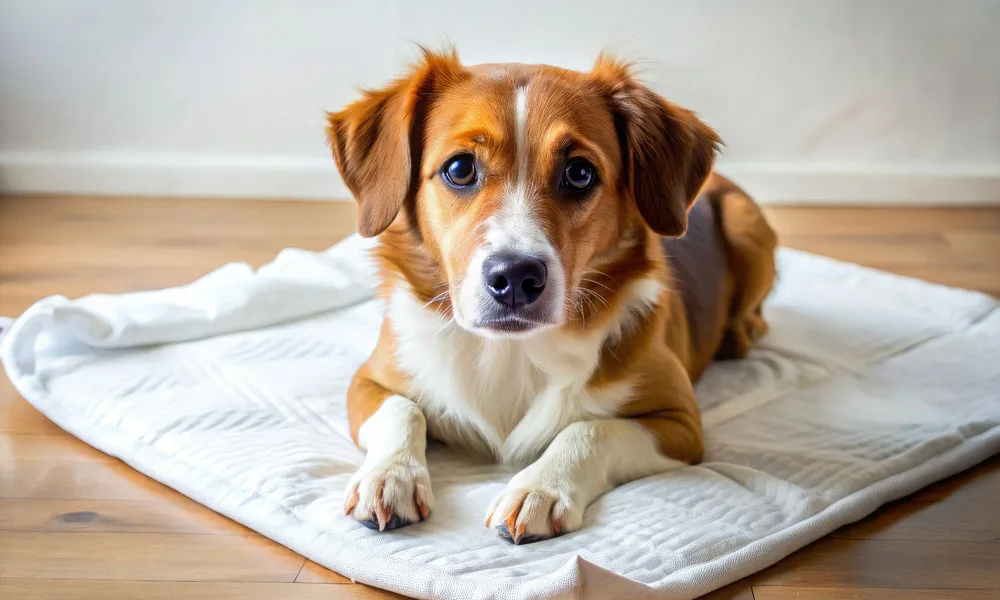
Call East Hill Animal Hospital if your dog has diarrhea that lasts more than a day or two, keeps returning, or is accompanied by other signs of illness.
You should call sooner if your dog has:
- Blood in the stool.
- Black or tarry stool.
- Repeated vomiting.
- Loss of appetite.
- Weakness or tiredness.
- A painful or bloated belly.
- Dry gums or signs of dehydration.
- Diarrhea after eating trash, plants, mushrooms, medicine, or chemicals.
- Diarrhea in a puppy, senior dog, or dog with a medical condition.
Bloody diarrhea should always be taken seriously. So should diarrhea with vomiting, collapse, pale gums, severe weakness, or a dog that seems painful. These signs may point to a more urgent problem.
Why Testing Matters.
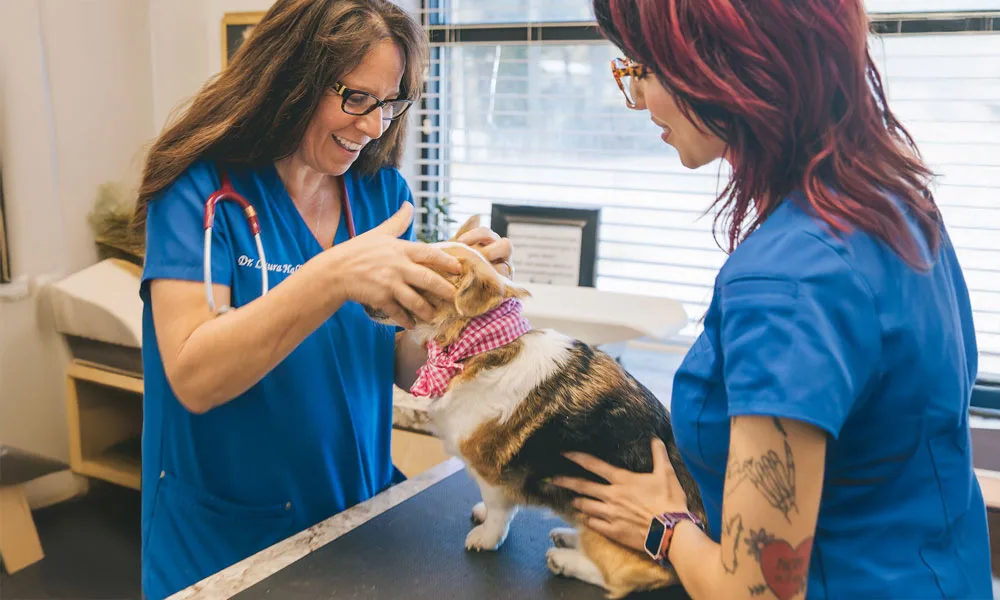
It is tempting to guess what caused diarrhea, especially when a dog still acts mostly normal. But many digestive problems look alike. Parasites, infections, dietary upset, pancreatitis, foreign material, and organ problems can all cause loose stool.
At East Hill Animal Hospital in Pensacola, the veterinary team may recommend a fecal test, bloodwork, urinalysis, imaging, or other diagnostics based on your dog’s age, symptoms, and medical history. Testing helps the veterinarian decide whether your dog needs medication, fluids, a prescription diet, parasite treatment, further imaging, or supportive care.
The goal is not just to stop the diarrhea. The goal is to find out why it is happening.
What to Tell Your Veterinarian.
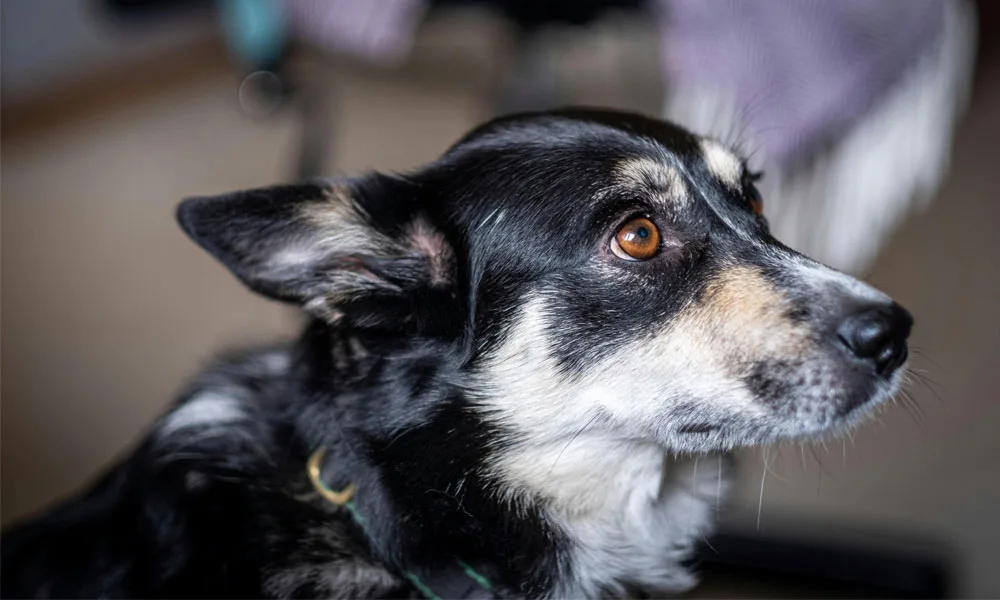
When you call, be ready to describe your dog’s symptoms. How long has the diarrhea been happening? Is there blood or mucus? Is the stool watery, soft, black, yellow, or unusually foul-smelling? Has your dog vomited? Is your dog eating and drinking? Could your dog have eaten something outside or gotten into trash?
A photo of the stool can also help. It may feel awkward, but it gives the veterinary team useful information.
Call East Hill Animal Hospital in Pensacola at (850) 437-9932.
If your dog has diarrhea that will not stop, blood in the stool, vomiting, weakness, loss of appetite, or signs of pain, call East Hill Animal Hospital in Pensacola at (850) 437-9932. Fast veterinary care can help your dog feel better and keep a stomach problem from becoming something more serious.