
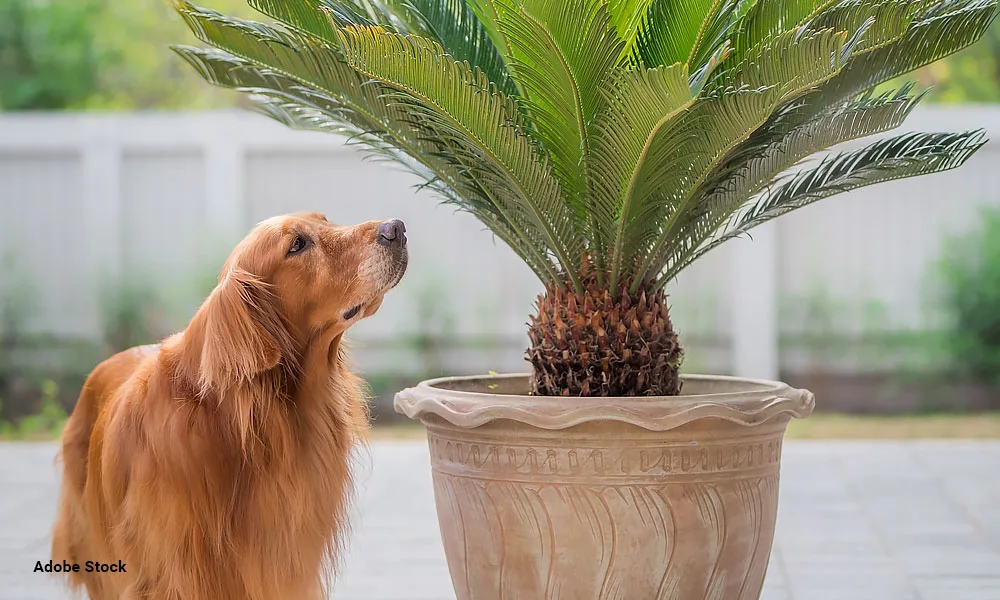
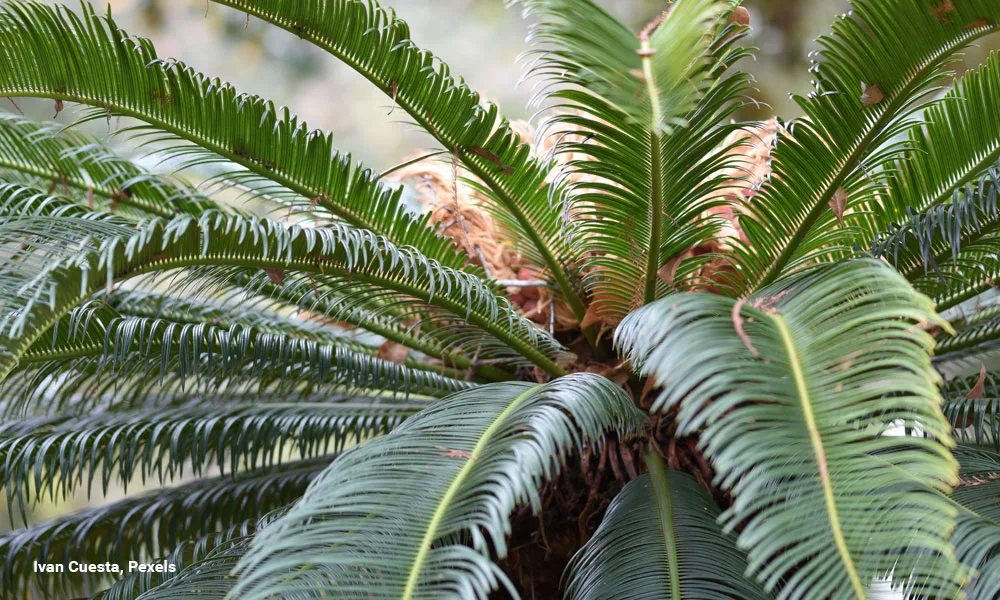
Sago palms are easy to spot around Pensacola. Their stiff, feather-like fronds give yards and patios a tropical look, and the plants tolerate Florida’s warm climate. Unfortunately, they can be deadly to dogs.
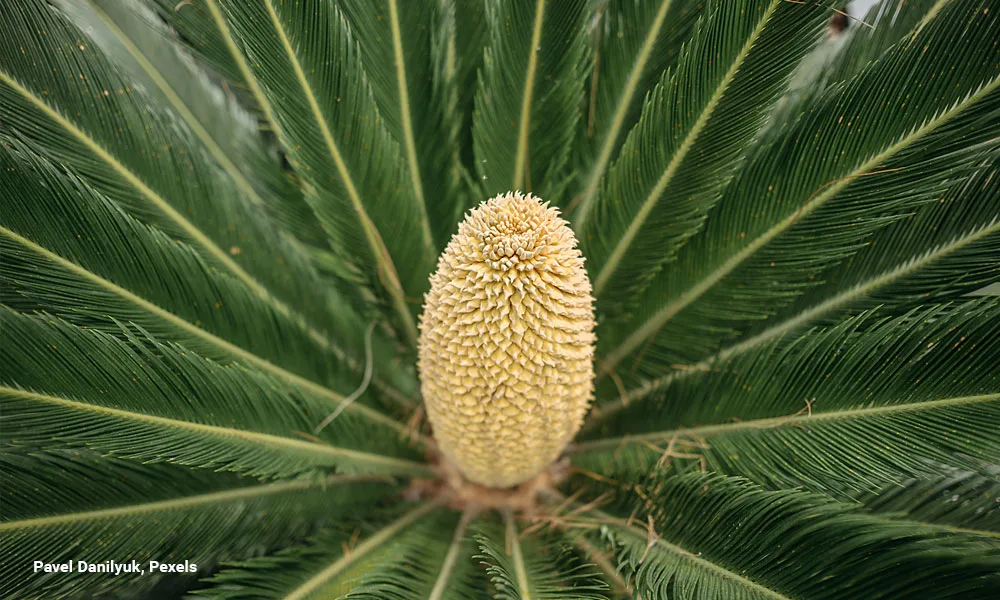
Despite the name, the sago palm is not a true palm. It is a cycad that contains powerful toxins. Every part of the plant is dangerous, including the trunk, roots, and fronds. The seeds are especially hazardous because they contain a concentrated amount of toxin and may look like something a curious dog should pick up or chew.
Why Dogs Eat Sago Palms
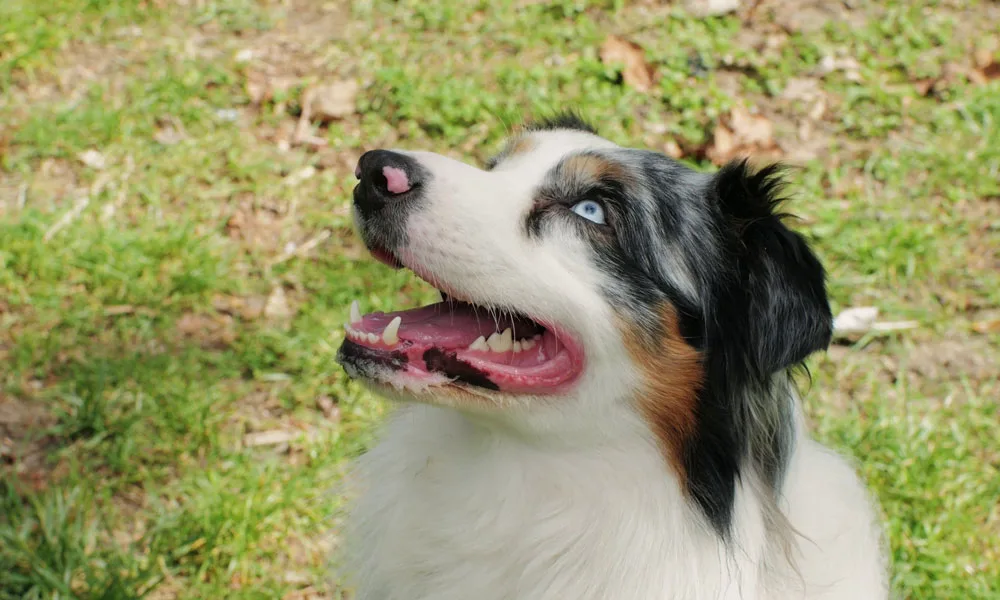
Dogs investigate the world with their mouths. A puppy may chew a frond while exploring the yard. An adult dog may dig around the roots or find fallen seeds beneath the plant. Pieces can also become accessible when a sago palm is trimmed, and yard waste is left on the ground.
Even dogs that have ignored a plant for years can surprise their owners. A change in routine, boredom, or a newly fallen seed may be enough to attract attention.
Symptoms of Sago Palm Poisoning
Signs may begin with stomach trouble but can progress to severe liver damage. Symptoms can include:
- Vomiting or diarrhea, sometimes with blood.
- Loss of appetite.
- Weakness or unusual tiredness.
- Increased thirst.
- Bruising or abnormal bleeding.
- Yellow coloring of the eyes, gums, or skin.
- Tremors, seizures or collapse.
Do not wait for symptoms if you see your dog chew or swallow any part of a sago palm. Serious internal damage may be developing before the dog appears critically ill.
What to Do After Possible Exposure
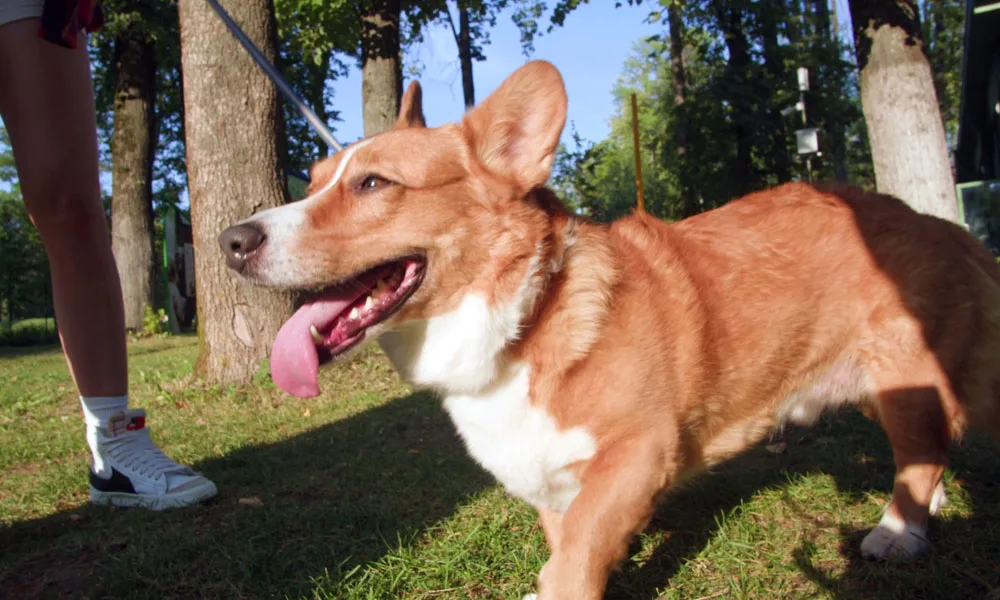
You should remove your dog from the area and call a veterinarian immediately if you think they have been exposed. If it can be done safely, take a photo of the plant and bring a sample in a sealed bag. This can help with identification. Tell our veterinary team what part may have been eaten, approximately how much is missing, and when it happened. We won’t judge.
Do not induce vomiting or give milk, oil, food, charcoal or a home remedy unless a veterinarian specifically instructs you to do so. The correct response depends on the dog’s condition and how much time has passed.
Treatment may include removing toxin from the digestive tract, intravenous fluids, laboratory monitoring, medications that support the liver, and care for bleeding or other complications. Fast treatment gives the veterinary team the best opportunity to limit the damage.
Check Your Pensacola Property
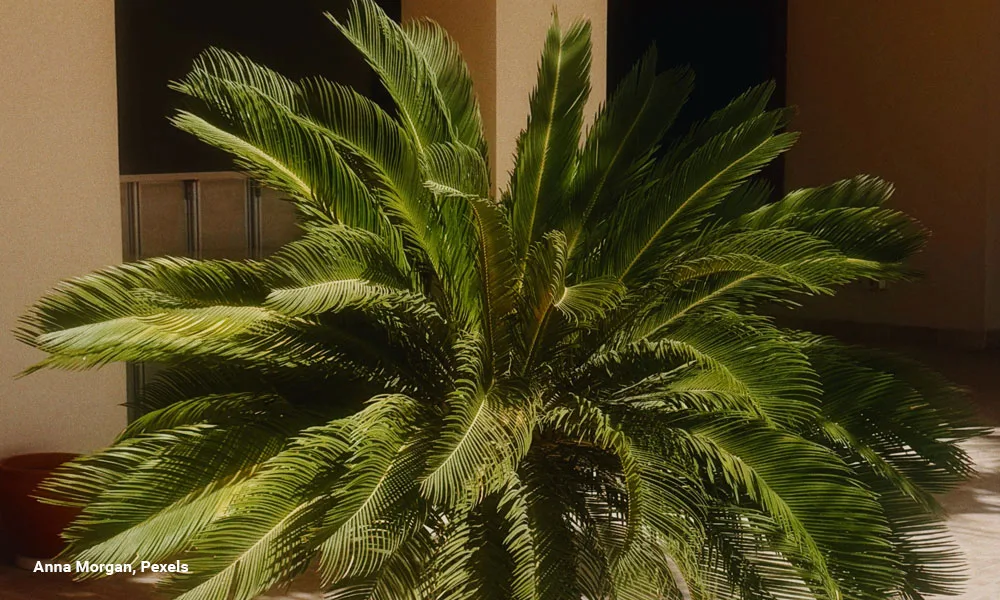
Walk through your yard and identify every plant within reach of your pets. Check patios, pool areas, and planters as well as the main landscaping. If you find a sago palm, the safest choice is to remove it completely and make sure seeds, roots and trimmings are not left behind.
Be careful during walks, too. These plants can grow in neighboring yards and landscaped common areas. Keep dogs from chewing unfamiliar plants or picking up seeds. Pensacola dog owners should also inspect vacation rentals and unfamiliar yards before allowing a pet to roam freely.
If a landscaping company maintains your property, tell the crew that dogs use the yard. Ask workers to remove all sago palm trimmings and fallen seeds rather than leaving piles where a pet can investigate them. Check the area yourself before letting the dog back outside. Plant material can be dangerous whether it is fresh, dried, or partially chewed.
Call East Hill Animal Hospital Immediately
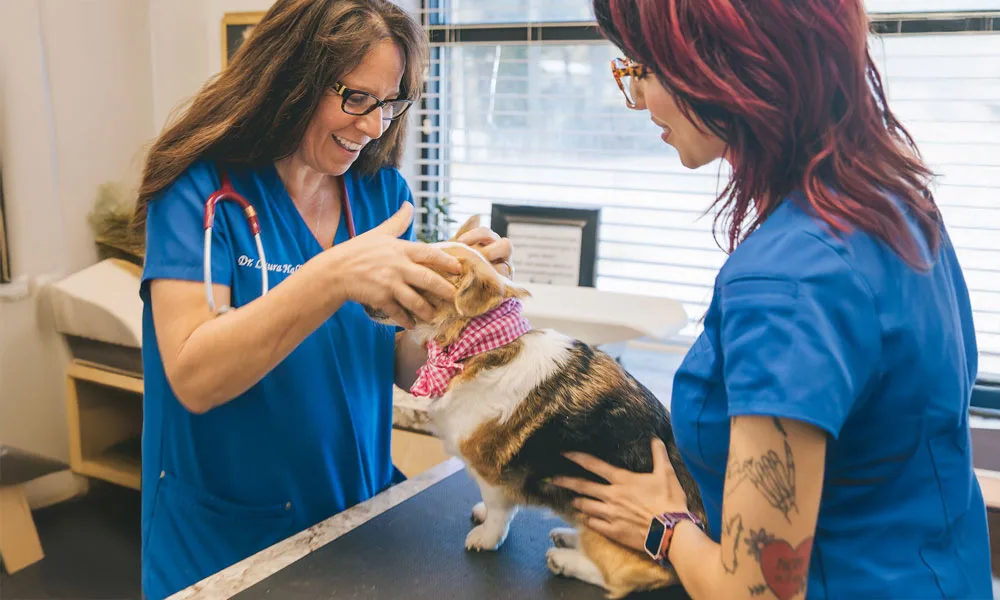
Suspected sago palm ingestion is a critical situation. Contact East Hill Animal Hospital at 850-437-9932 and explain what happened. The hospital can evaluate your dog, perform blood testing, and provide the treatment or monitoring the situation requires.
East Hill Animal Hospital is part of the Pensacola Pets family of companies, offering veterinary care and advanced diagnostics alongside local rehabilitation, boarding, daycare, training, and grooming services. Sago palms may fit Pensacola’s tropical landscape, but they do not belong where pets can reach them. Removing the risk today is much easier than facing an emergency tomorrow.