

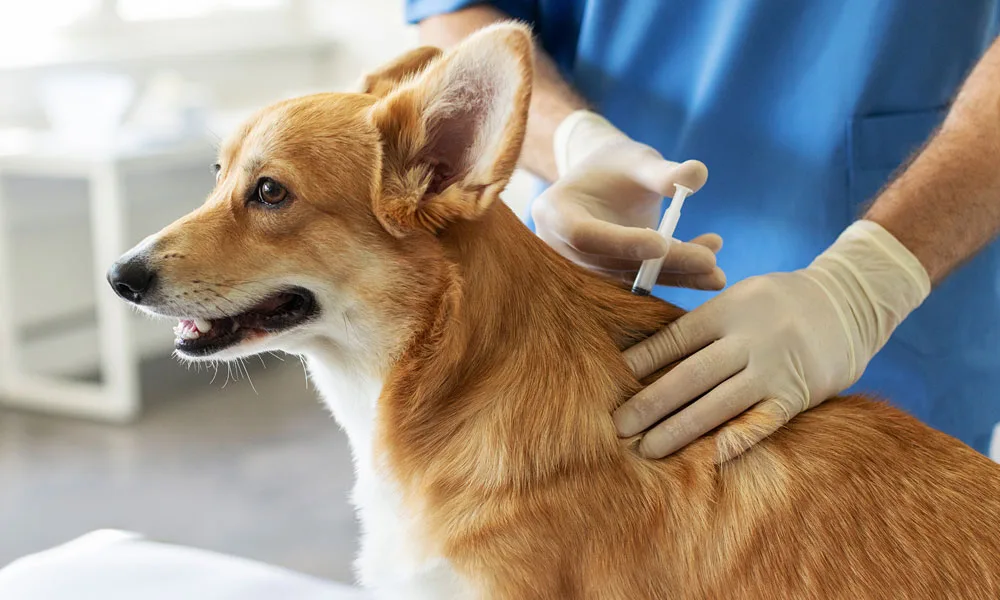
Living in Pensacola has many benefits for pets and their owners. Dogs can enjoy walks along the bay, trips to the beach, and time outdoors nearly year-round. Unfortunately, the warm and humid climate that makes the Gulf Coast such a great place to live also creates the perfect environment for parasites like fleas, ticks, and heartworms.
Because these pests are active throughout the year in Florida, prevention is one of the most important things pet owners can do to keep their dogs and cats healthy.
At East Hill Animal Hospital, veterinarians help Pensacola pet owners protect their animals from these common threats every day.
Why Fleas Are a Year-Round Problem in Pensacola

In many parts of the country, fleas slow down during colder months. That is not the case along the Gulf Coast. Pensacola’s mild winters allow fleas to survive and reproduce year-round.
A single flea infestation can grow quickly. One flea can lay dozens of eggs each day. These eggs fall into carpets, bedding, and furniture, where they develop into new fleas.
Fleas cause more than simple itching. They can lead to serious problems for pets, including:
- Intense itching and skin irritation.
- Hair loss and hot spots.
- Allergic reactions are known as flea allergy dermatitis.
- Tapeworm infections.
- Anemia in severe infestations.
Because fleas multiply quickly, prevention is far easier than trying to eliminate them once they spread throughout your home.
Flea Prevention for Dogs

Many pet owners search online for dog flea prevention, especially during the warmer months. In Florida, however, prevention should be used throughout the entire year.
Veterinarians typically recommend monthly flea preventives in oral or topical form. These medications prevent fleas from reproducing and infesting your home.
Other helpful steps include:
- Regular grooming and brushing
- Washing pet bedding frequently
- Vacuuming carpets and furniture
- Keeping your yard trimmed and clean
If your dog spends time outdoors in parks, dog parks, or on neighborhood walks, flea prevention is especially important.
Ticks Are Another Concern for Gulf Coast Pets
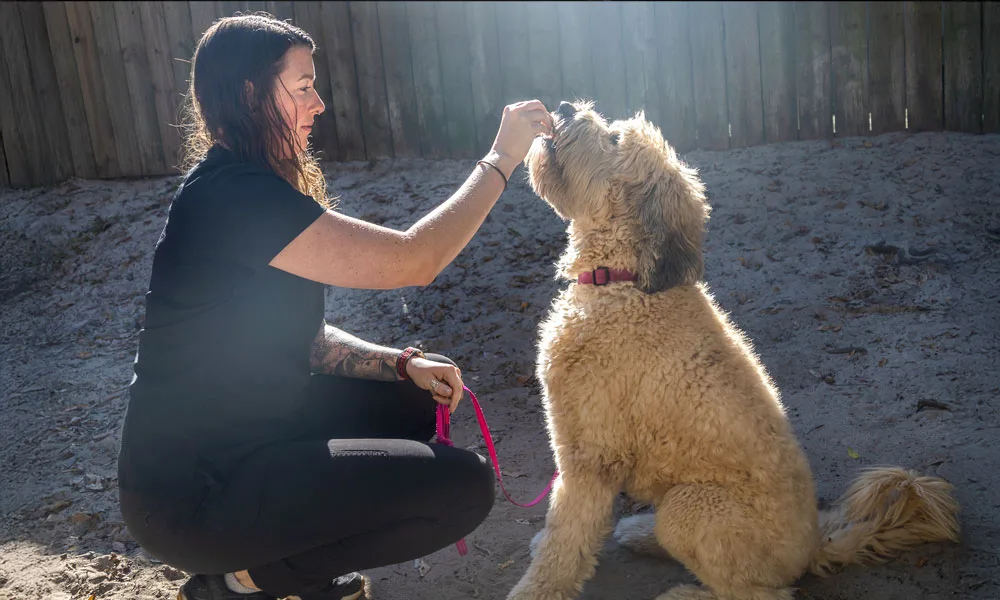
Ticks are also common in Northwest Florida, especially in wooded areas, tall grass, and parks. Dogs that hike, explore trails, or spend time in grassy areas can easily pick up ticks.
Ticks attach to the skin and feed on blood. During this process, they can transmit diseases that affect both animals and people.
Some tick-borne diseases can cause fever, joint pain, weakness, and loss of appetite in dogs. The best protection is consistent flea and tick prevention recommended by your veterinarian.
Checking your dog for ticks after outdoor adventures is also a good habit, especially if you have been in wooded or grassy areas.
Heartworms Are a Serious Risk in Florida
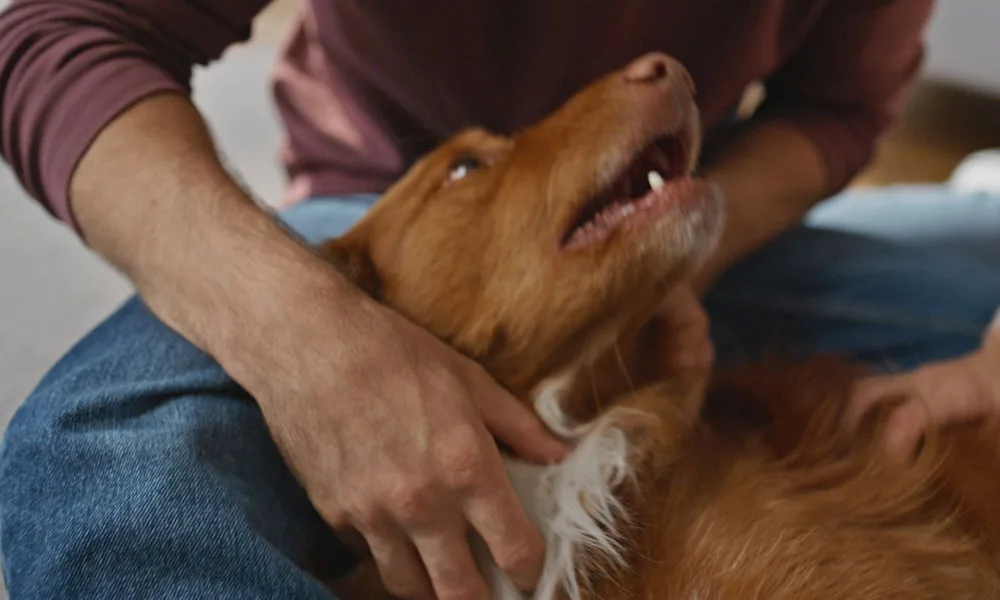
While fleas and ticks are visible pests, heartworms are an invisible but potentially deadly threat.
Heartworms are transmitted through mosquito bites. When a mosquito bites an infected animal and then bites your pet, microscopic larvae can enter the bloodstream. Over time, these larvae develop into worms that live in the heart and lungs.
Heartworm disease can lead to severe lung disease, heart failure, and damage to other organs.
Because Florida’s climate supports mosquito activity most of the year, heartworm prevention in Florida is essential for dogs.
Monthly heartworm preventive medications are safe, effective, and far less expensive than treating heartworm disease after infection occurs.
Why Prevention Matters
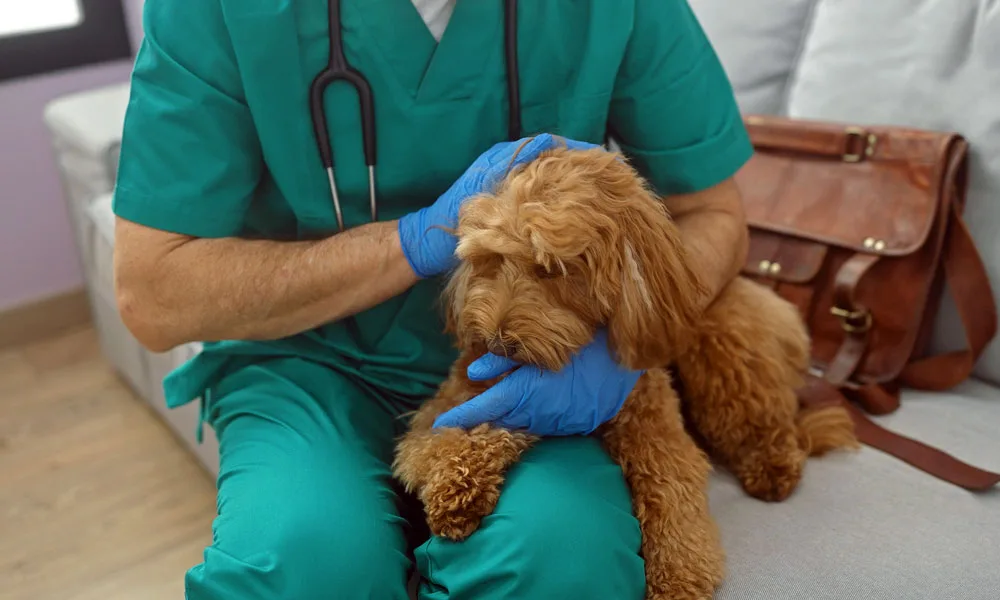
Treating fleas, ticks, or heartworms after a pet becomes infected can be difficult, costly, and stressful for both pets and their owners. Prevention is much simpler.
Veterinarians in Pensacola often recommend a combination parasite prevention product that protects against fleas, ticks, and heartworms. This makes it easier for pet owners to stay consistent with protection.
Routine wellness exams also allow veterinarians to check for early signs of parasite problems and adjust prevention plans if needed.
Protecting Pets in Pensacola
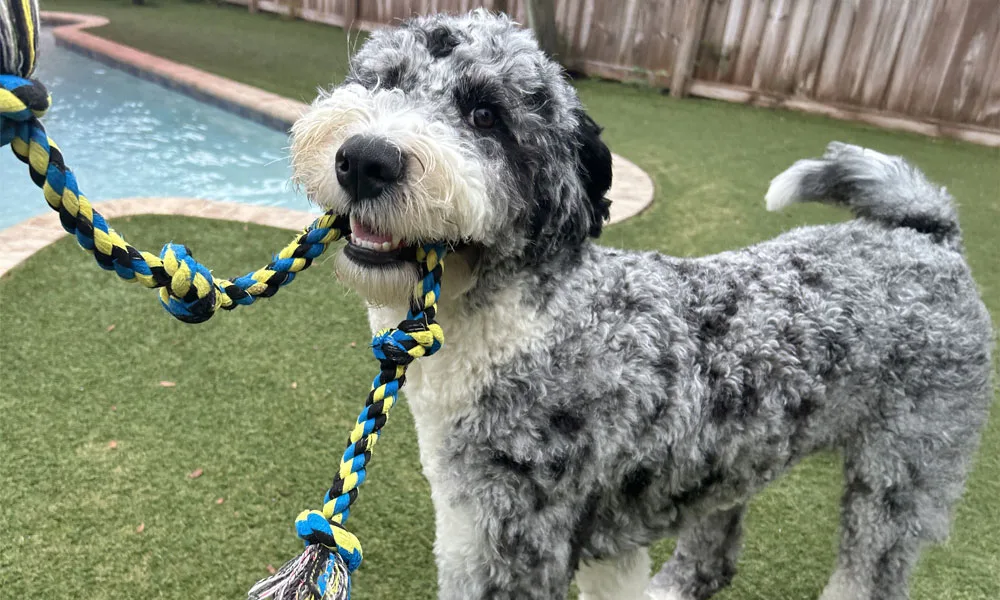
Pensacola offers a wonderful outdoor lifestyle for pets, but that same environment also supports fleas, ticks, and mosquitoes. With the right prevention plan, these parasites can be controlled before they cause serious health problems.
The veterinary team at East Hill Animal Hospital works closely with local pet owners to create parasite prevention plans tailored to each pet’s lifestyle.
If you have questions about flea prevention for dogs or heartworm prevention in Florida, professional guidance can make a big difference in protecting your pet’s long-term health.
East Hill Animal Hospital
801 E. Cervantes Street
Pensacola, FL 32501
850-437-9932