
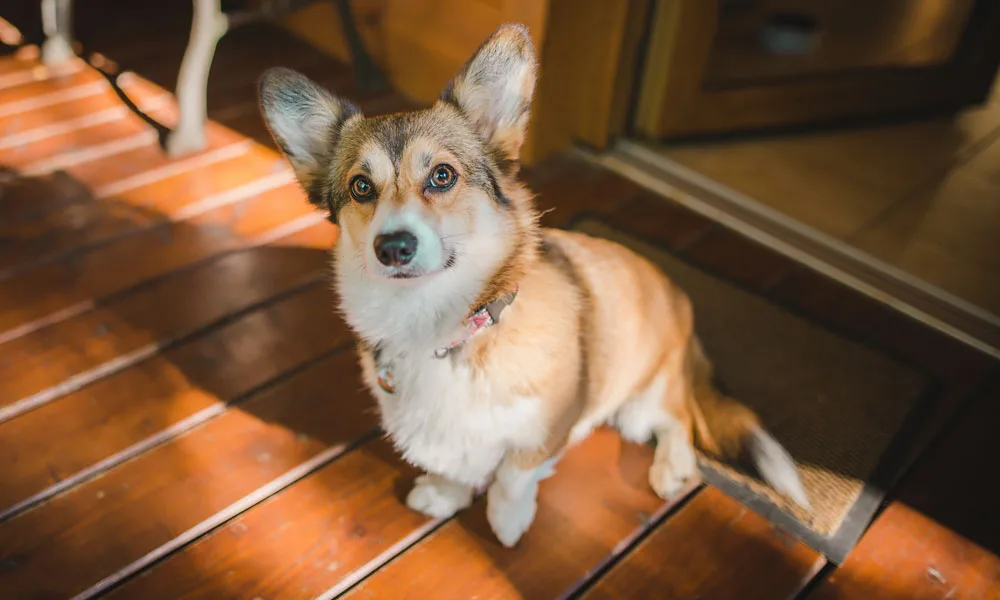
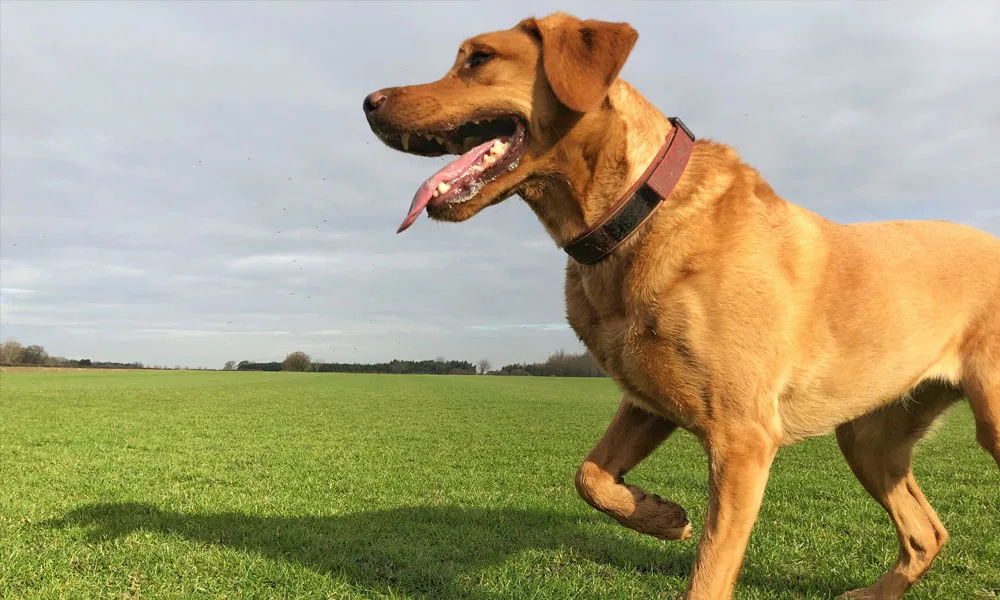
It’s never easy to see your dog limping. Whether it comes on suddenly or develops over time, a limp usually means something isn’t right.
Some causes are minor and improve with rest. Others need prompt medical attention. If you live in Pensacola and the surrounding areas, knowing what to look for can help you decide when it’s time to bring your dog in.
At East Hill Animal Hospital, limping is one of the most common reasons dogs are seen. Here’s what Pensacola pet owners should know.
Common Reasons Dogs Limp
Dogs limp for many different reasons. Sometimes the cause is obvious. Other times it takes a closer look.
Minor injuries
Dogs can twist a leg, strain a muscle, or land wrong while running or playing. This is especially common at dog parks, on the beach, or even in the backyard.
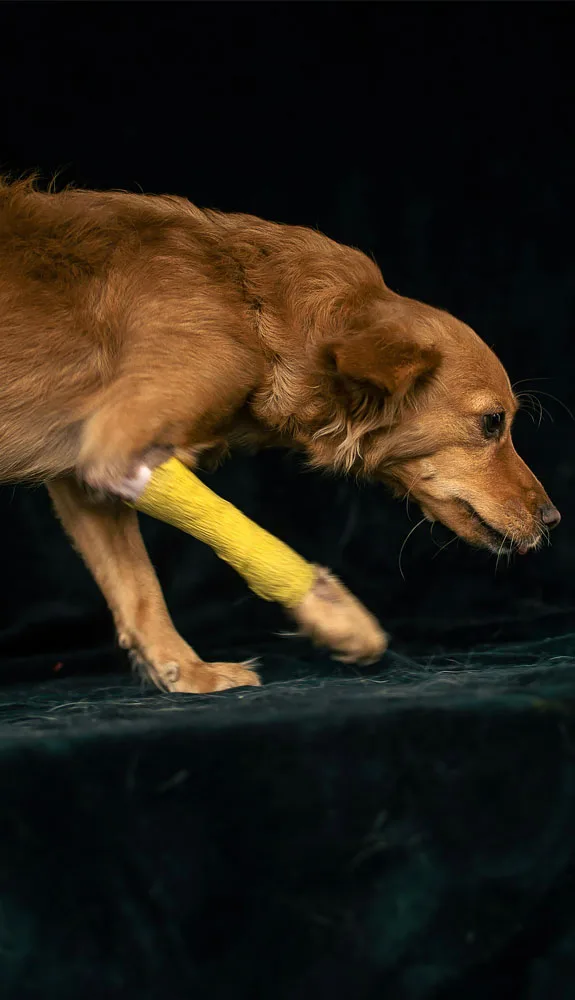
Cuts or objects in the paw
Something as simple as a thorn, splinter, or small cut can make your dog avoid putting weight on a foot.
Joint problems
Conditions like arthritis can cause stiffness and limping, especially in older dogs. You may notice it more after rest or first thing in the morning.
Ligament injuries
One of the more common causes of limping is a torn ligament in the knee. This often shows up as sudden limping in the back leg.
Hip issues
Some dogs, especially larger breeds, can develop hip problems that affect how they walk and move.
Infections or swelling
Infections in the paw or joints can cause pain and limping.
Sudden Limping vs. Gradual Limping
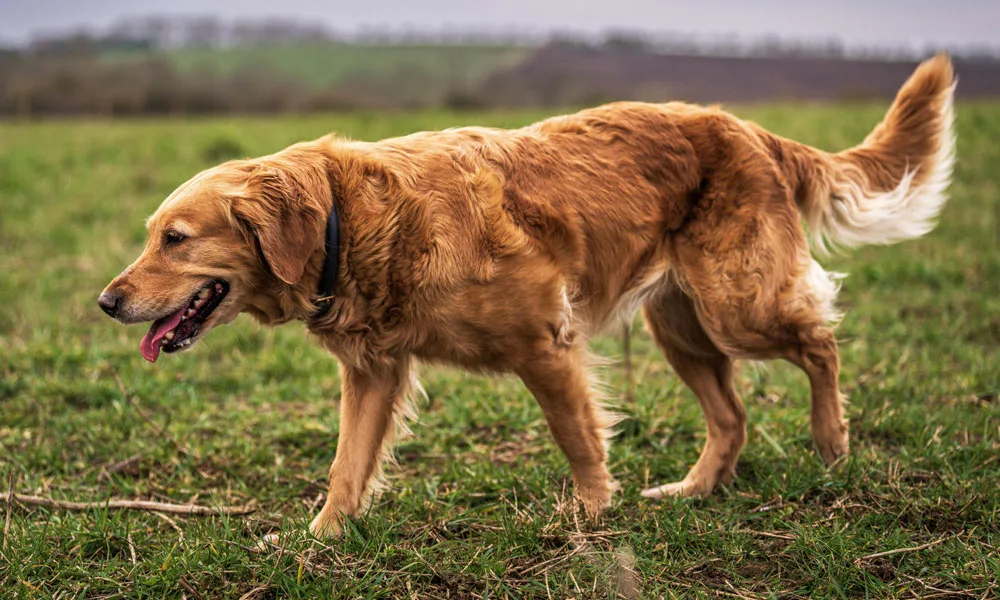
How your dog starts limping can give you clues.
Sudden limping often happens after an injury. Your dog may have been running, jumping, or playing when it started.
Gradual limping often points to arthritis or other long-term joint issues. You might notice your dog slowing down over time or being less eager to move.
Either way, it’s important to pay attention to how long the limp lasts and whether it’s getting better or worse.
When to See a Vet at East Hill Animal Hospital in Pensacola
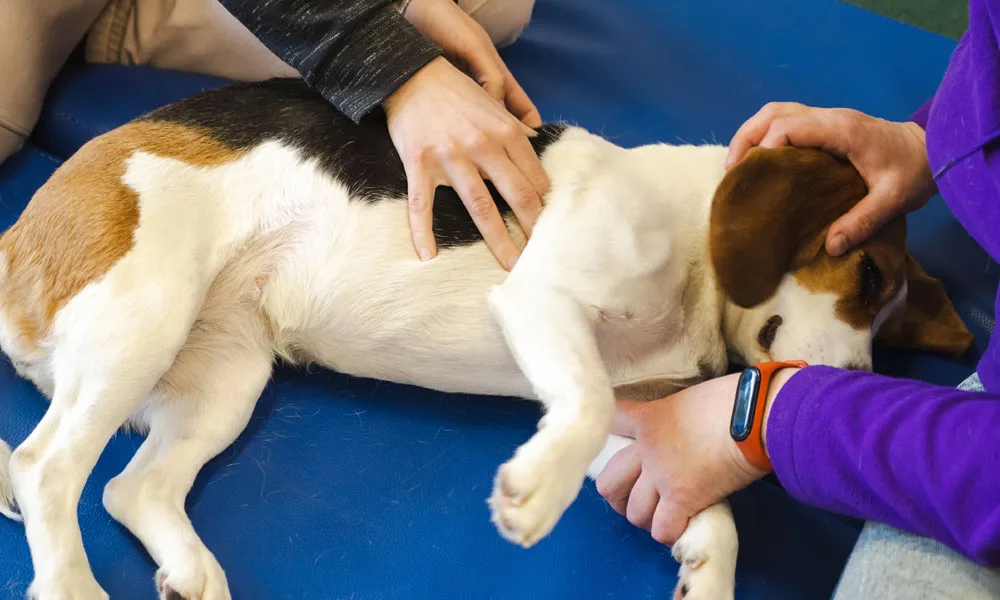
Some limping improves with rest. But there are times when you should not wait.
Call or visit a Pensacola veterinarian if you notice:
- Limping that lasts more than 24 to 48 hours.
- Your dog refuses to put weight on a leg.
- Swelling in the leg or joint.
- Signs of pain, such as whining or licking the area.
- A visible wound or bleeding.
- Limping after a known injury.
- Changes in behavior, appetite, or energy.
If your dog cannot walk or seems to be in significant pain, it’s best to have them seen right away.
Why Early Care Matters
What seems like a small limp can sometimes turn into a bigger issue if ignored. For example, a ligament injury can worsen over time. Joint problems can also become more painful if left untreated.
In an active place like Pensacola, where dogs are often outdoors, early evaluation helps prevent small injuries from becoming long-term problems.
What to Expect at Your East Hill Animal Hospital Visit
At East Hill Animal Hospital, we start with a full exam and talk through what you’ve noticed at home.
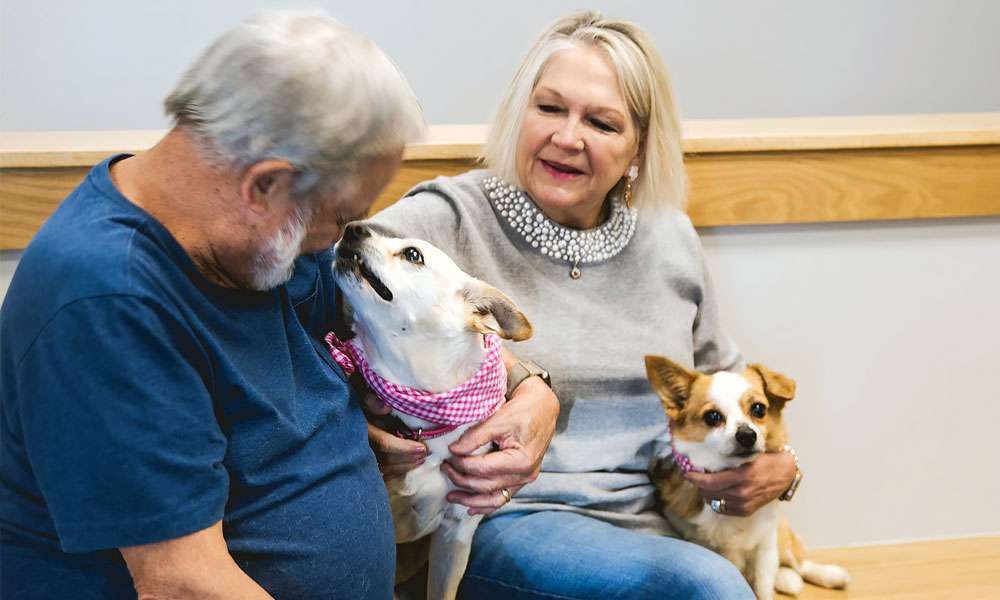
Our veterinarians may:
- Check the leg, joints, and range of motion.
- Look for swelling, wounds, or tenderness.
- Watch how your dog walks.
If needed, additional testing may be recommended. This can include:
- X-rays to look at bones and joints.
- Advanced CT imaging for more complex cases.
Having access to advanced diagnostics locally means you can get answers faster without leaving the Pensacola area.
What You Can Do at Home
If the limp is mild and just started, you can:
- Limit activity and avoid running or jumping.
- Keep your dog on a leash for short walks only.
- Check the paw for cuts or debris.
Do not give pain medications unless your veterinarian recommends them. Some human medications can be harmful to dogs.
Helping Your Dog Stay Active and Healthy
While not all injuries can be prevented, you can reduce the risk by:
- Keeping your dog at a healthy weight. Our weight waggers program helps dogs lose weight.
- Avoiding rough play on hard surfaces.
- Staying consistent with regular checkups.
- Addressing small issues before they become bigger problems.
Trusted Care for Limping Dogs in Pensacola
If your dog is limping and you are not sure what to do, it’s always okay to ask. Getting a professional opinion can give you peace of mind and help your dog recover faster.
The team at East Hill Animal Hospital is here to help dogs across Pensacola get back on their feet.
East Hill Animal Hospital
801 E. Cervantes Street
Pensacola, FL 32501
850-437-9932